
THE FUTURE OF MARITIME TRAINING: INNOVATION, SUSTAINABILITY, AND THE LEGACY OF THE STCW CONVENTION
Maritime transport is an indispensable driving force of the global economy. In this environment, crews face a dynamic landscape shaped by digital transformation and the transition to greener technologies. Under the theme of the 2026 Day of the Seafarer, “Transporting the World’s Trade. Assuming the Risks,” tribute is paid to the courage of seafarers, while highlighting the urgent need to equip them with the best possible tools to navigate safely in the modern era.
The Urgent Need to Update the STCW Convention
Technological evolution and environmental sustainability call for a comprehensive review of the International Convention on Standards of Training, Certification and Watchkeeping for Seafarers (STCW). The Convention’s new amendments are not optional; they provide a mandatory roadmap for addressing two major realities:
- New Technologies: Autonomous ships, automated control systems, and the digitalization of operations require advanced digital competencies that go beyond traditional standards.
- Clean Fuels: The decarbonization of the industry is introducing the use of LNG, ammonia, hydrogen, and electric propulsion systems. These alternatives present specific chemical and operational risks that require new safety protocols for crews.
The General Directorate of Merchant Marine of Honduras (DGMM) has taken an active role in regulating, training, and adopting international standards. Its objective is to address the operational risks associated with the transition to clean fuels, such as LNG, ammonia, hydrogen, and electric propulsion.
Implementation of International Safety Guidelines
a) Adoption of Safety Circulars: The General Directorate of Merchant Marine of Honduras (DGMM) has incorporated International Maritime Organization (IMO) guidelines into its regulatory framework, including Circular DGMM-AD-028-MSC. This regulation establishes safety criteria for ships equipped with hydrogen-based fuel cell power systems.
b) Operational Risk Management: Technical requirements governing piping arrangements, ventilation, and inerting systems aboard ships are regulated to mitigate the high volatility and chemical reactivity associated with new clean technologies.
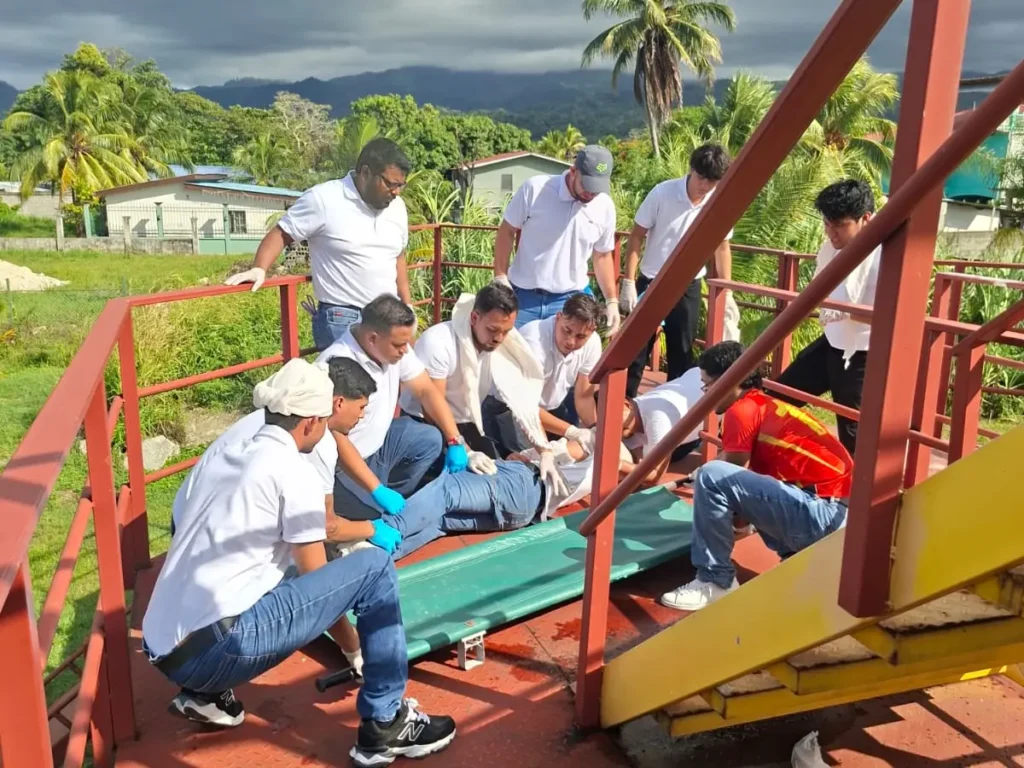
Modernizing Academic Programs and Addressing Training Challenges
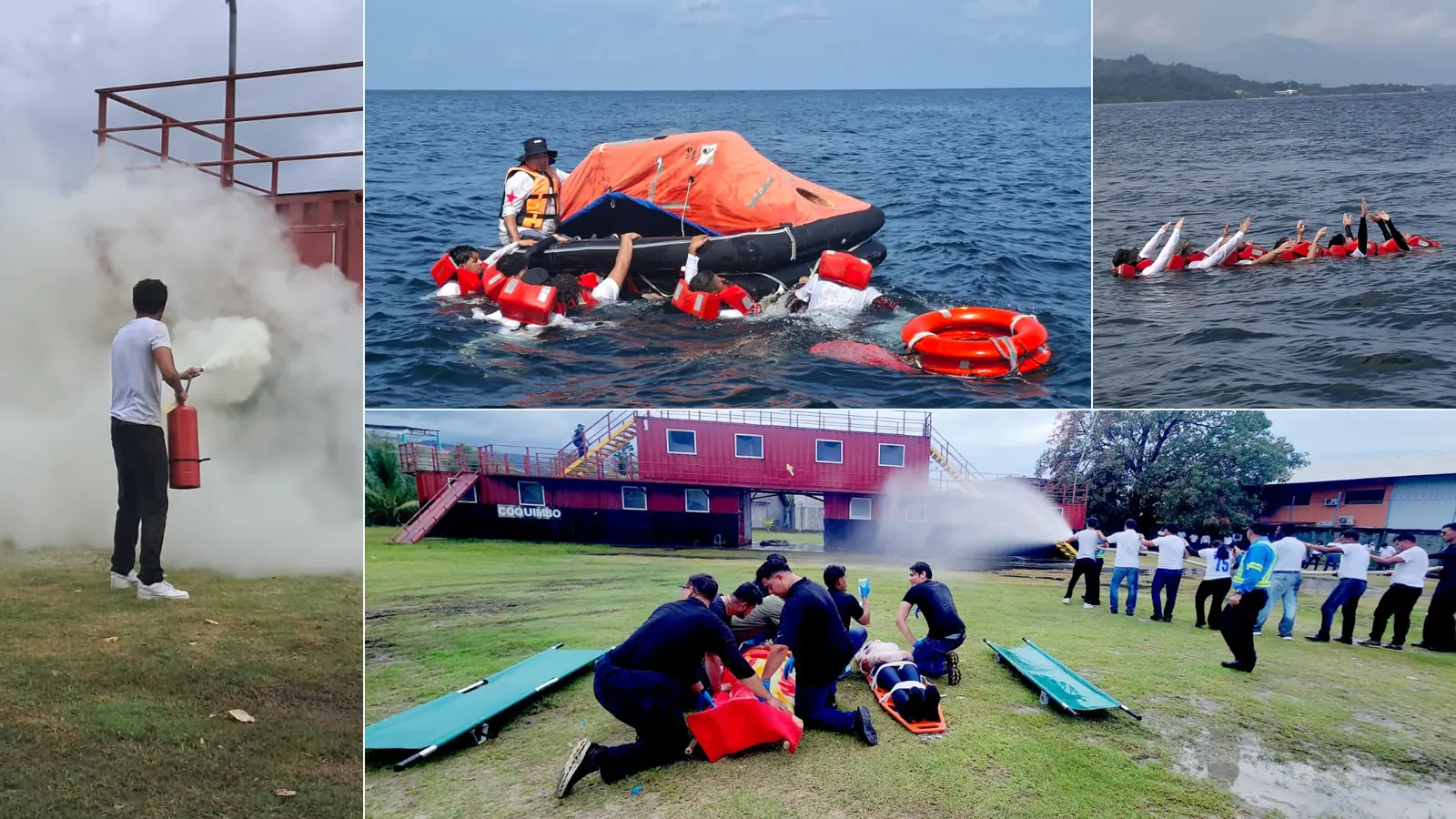
To meet the demands of this transition, maritime education must evolve rapidly. There is a growing need to diversify training methods and move beyond strictly conventional approaches through the following initiatives:
Virtual Training and Flexibility: Implementing online learning platforms and digital simulators that facilitate access to knowledge without geographical boundaries.
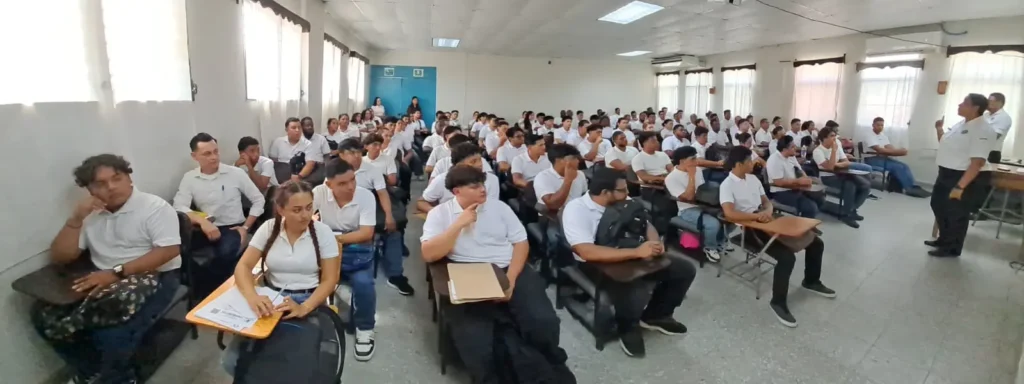
A virtual training procedure has been implemented to expand our reach and facilitate crew members’ access to these training programs. This model takes into account geographical distribution and the working conditions of seafarers aboard ships, ensuring that training does not interfere with their duties. It also incorporates virtual academic schedules and strengthens the technological competencies of both teaching staff and Honduran seafarers.
Adaptation of Academic Schedules: Restructuring in-person classes to accommodate periods when seafarers are ashore, thereby enabling active seafarers to continually update their technical skills.
In this regard, International Maritime Organization (IMO) Resolution MSC.560(108) redefined safety aboard ships by introducing the prevention of and response to violence and harassment—including sexual harassment, bullying, and sexual assault—as a mandatory competency within the Personal Safety and Social Responsibilities (PSSR) module of the STCW Convention.
This amendment, which entered into force on January 1, 2026, marks a paradigm shift in the industry: safety at sea is no longer limited to physical emergencies, such as fires or collisions, but now formally encompasses the psychological well-being and conduct of crew members.
Honduras’ Commitment to International Standards
The primary objective is to ensure strict compliance with the provisions of the relevant sections of the STCW Code, aligning national legislation with the latest international amendments.
This modernization ensures that Honduran officers and seafarers remain highly competitive in the global labor market, while guaranteeing efficient, environmentally clean, and, above all, safe operations.
Through the MAMLa Network, we reaffirm that the future of the maritime industry is being built today by providing outstanding training to those who assume the risks to keep the world moving.
References
- International Maritime Organization. (2010). International Convention on Standards of Training, Certification and Watchkeeping for Seafarers (STCW), 1978 (as amended; 2020 edition).
- Maritime Safety Committee. (2024). Amendments to Part A of the Seafarers’ Training, Certification and Watchkeeping (STCW) Code (Resolution MSC.560(108)). International Maritime Organization. imo.org
- International Maritime Organization. (2022). Interim Guidelines for the Safety of Ships Using Fuel Cell Power Installations (Circular MSC.1/Circ.1647). IMO.
- General Directorate of Merchant Marine of Honduras. (2024). Interim Guidelines for the Safety of Ships Using Fuel Cell Power Installations (Circular DGMM-AD-028-MSC / MSC.1/Circ.1647). Secretariat of State for Governance, Justice, and Decentralization.