ABANDONED VESSELS: A GROWING GLOBAL CHALLENGE
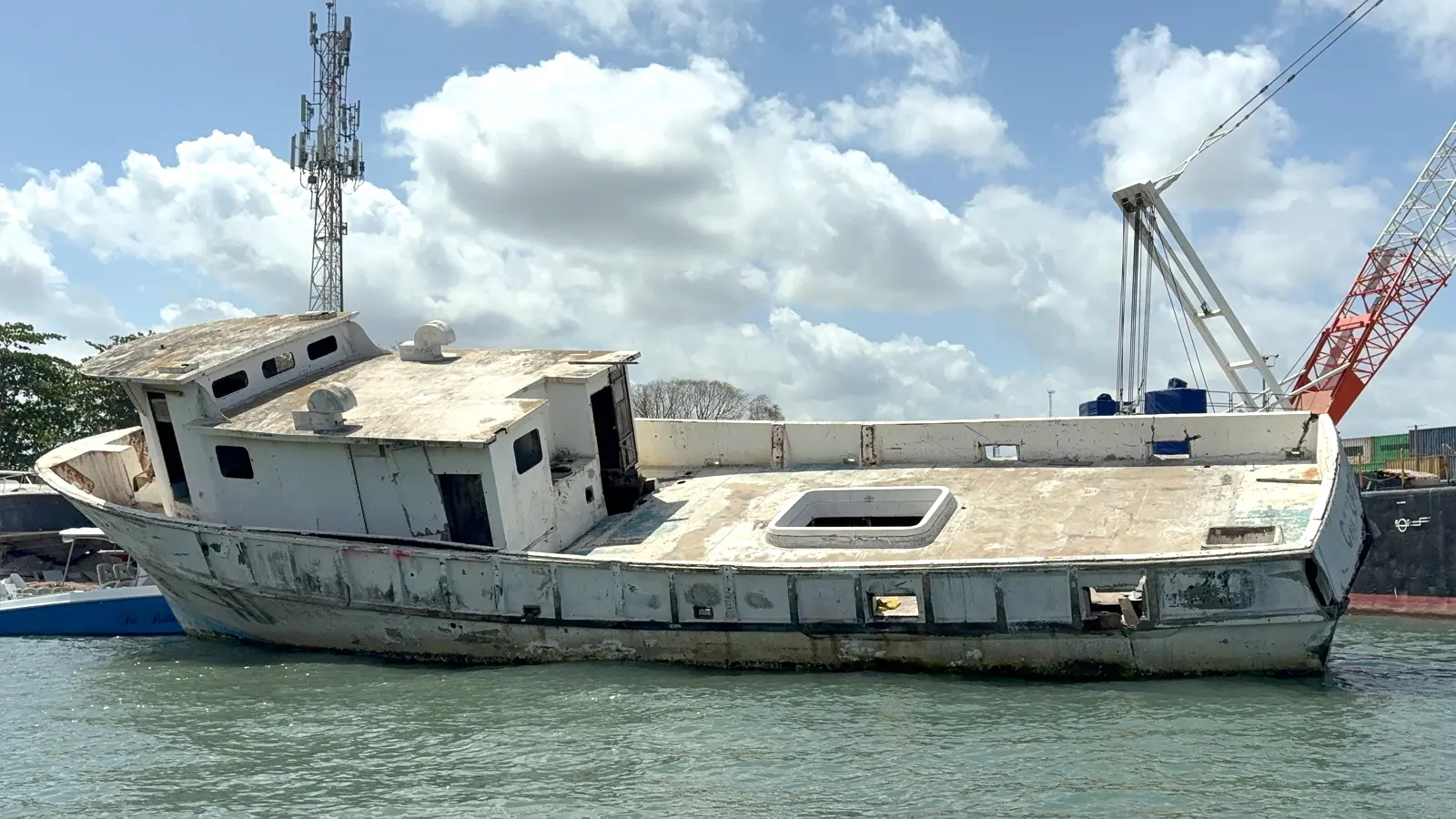
At first glance, abandoned vessels seem to be part of the landscape. A rusted hull on an island, a sailboat stranded on a beach, or a vessel covered in algae evokes stories that we rarely get to know and that ultimately become lost to oblivion. However, behind these motionless structures lies a growing global problem that is quietly unfolding across the world’s oceans. The sustained increase in maritime activities and the expansion of coastal developments have contributed to the accumulation of vessels that have been abandoned, dismantled, rendered unserviceable, or shipwrecked in marine, coastal, and island areas. This situation, widely documented in research studies, highlights how the lack of end-of-life vessel management translates into environmental, social, and operational impacts (Antonini, Ryder, & Garretson, 1989; Geraghty, Graham-Jones, Pemberton, & Summerscales, 2025).
At the international level, the management of abandoned vessels is supported by various regulatory instruments aimed at preventing environmental impacts and ensuring maritime safety. These include the London Convention and Protocol, which seek to control the deliberate dumping of vessels; the Nairobi International Convention, which establishes obligations for the removal of shipwrecks; the Hong Kong International Convention, which provides guidelines for the safe and environmentally sound recycling of ships at the end of their operational lives; and the Basel Convention, which regulates the transboundary movement of hazardous waste found on vessels destined for dismantling. Together, these instruments reflect the need for an integrated approach to vessel life-cycle management in order to minimize environmental, social, and operational risks.
Nevertheless, multiple factors continue to contribute to the emergence of new abandoned vessels. Among the most common causes identified in studies conducted in Australia, the United States, Canada, and Nigeria are the high costs associated with final disposal and dismantling at the end of a vessel’s useful life, as well as the limited availability of suitable facilities for their reception, recycling, or safe disposal. This is compounded by the obsolescence of small and recreational vessels, which are frequently abandoned on beaches, in marinas, or in mangrove areas when they are no longer functional or when repairs become economically unviable. In addition, some vessels are used for illegal activities or as temporary accommodation and are subsequently abandoned. Other cases involve damage caused by storms, hurricanes, collisions, or groundings, where owners choose not to recover their vessels due to the high costs involved. There are also situations arising from ownership disputes, inheritance issues, or seizure proceedings, which can leave vessels without maintenance for extended periods. Finally, the absence of robust regulatory frameworks or the limited enforcement of existing regulations in certain regions further aggravates the problem.
The removal of these vessels involves considerable technical and financial challenges, particularly when their owners cannot be identified or held accountable. In many cases, the costs of extraction and disposal ultimately fall on public authorities (Transport Canada, 2012).
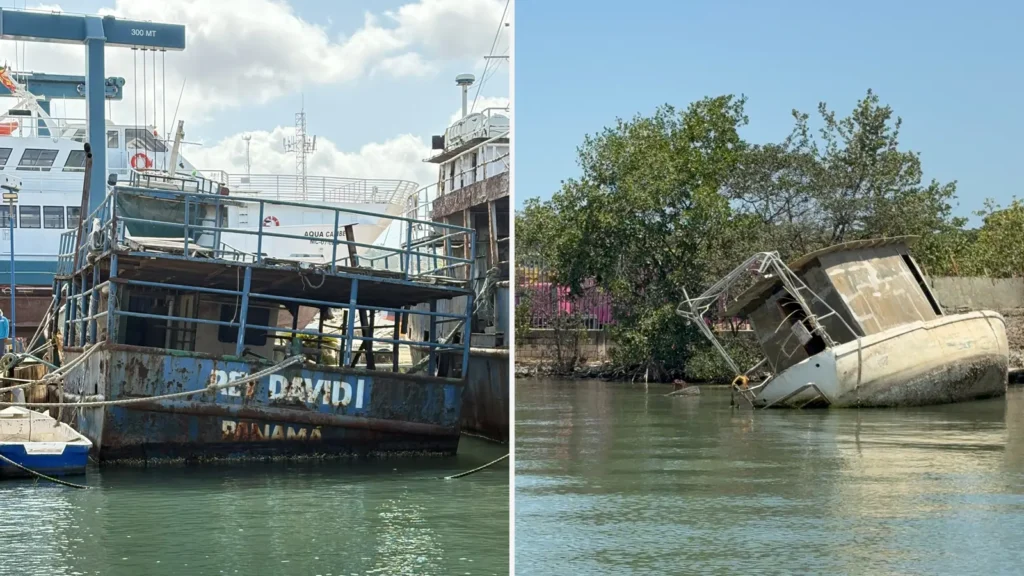
For these reasons, this issue has begun to gain greater visibility in Colombia. In recent years, the General Maritime Directorate (Dirección General Marítima, DIMAR), Colombia’s maritime authority, has led efforts to identify and characterize these vessels in different parts of the country through the development of inventories, analytical tools, and coordination initiatives involving various government agencies. This work has made it possible to advance vessel removal efforts while also gaining a better understanding of the scale of the problem. Beyond simply removing abandoned structures, the objective has been to establish the foundations for an organized and preventive management approach, ensuring that new vessels do not become part of this silent maritime landscape.
An initial pilot project was conducted in San Andrés to validate a model for identifying, characterizing, and prioritizing abandoned vessels through inventories and the application of an impact assessment matrix. Subsequently, the methodology was implemented in Cartagena, making it possible to assess its applicability in a setting with greater port, industrial, and commercial activity. The results were positive, as they enabled the validation of diagnostic and prioritization tools, strengthened interinstitutional coordination processes, and generated technical inputs to support intervention planning. Furthermore, the experience gained in these two ports has made it possible to consolidate a methodological model with potential for nationwide application.
The next steps require strengthening interagency coordination and management, which are essential to clarifying institutional responsibilities, optimizing resources, ensuring the legal traceability of vessels, and facilitating decision-making regarding prioritized cases. In addition, consideration must be given to implementing a national action plan that coherently integrates governance and the legal framework, abandonment prevention, vessel life-cycle planning and the management of complex materials (particularly fiberglass), as well as the strengthening of registration and traceability systems, the promotion of applied research, public awareness and outreach strategies, and sustainable financing mechanisms.