
WHEN THE SEA TRANSFORMS: DECARBONIZATION OF MARITIME TRANSPORT AND THE ROLE OF WOMEN
Maritime transport is a fundamental pillar of international trade, as it moves more than 80% of the world’s cargo volume. However, the scale of the global fleet also entails a significant contribution to greenhouse gas (GHG) emissions, which directly affects the process of global warming and poses important challenges.
In this regard, the above is linked to the 2030 Agenda for Sustainable Development, adopted by the United Nations General Assembly, which establishes a comprehensive framework for action through the adoption of 17 Sustainable Development Goals (SDGs) and 169 associated targets, aimed at jointly addressing the economic, social, and environmental dimensions of development.
In this context, and as a specialized agency of the United Nations, the International Maritime Organization (IMO) actively contributes to achieving these objectives. In particular, in line with SDG 13 on climate action, it promotes initiatives aimed at reducing the environmental impact of maritime transport.
Faced with this scenario, the IMO has promoted an ambitious strategy aimed at reducing GHG emissions from ships, establishing clear targets, defined timelines, and a set of concrete measures. In this context, the global goal is to achieve net-zero emissions by 2050, accompanied by intermediate milestones such as substantial reductions by 2030, and the implementation of both technical and economic instruments to advance the energy transition of the global fleet.
This call for environmental action implies a structural transition in the maritime sector, which is not limited to the technological sphere—such as the adoption of low- or zero-emission fuels, improvements in energy efficiency, and new forms of propulsion—but also encompasses processes of training, cooperation, innovation, and climate justice that affect the entire maritime transport system.
In this context of transformation, a central question arises: how is this ecological imperative linked to the construction of more just and inclusive societies? In this sense, the 2030 Agenda also incorporates SDG 5, whose purpose is to achieve gender equality and empower all women and girls. Within this framework, the IMO also actively promotes the integration of a gender perspective in the maritime field, fostering initiatives aimed at capacity building, education, and the participation of women in the sector. Therefore, integrating a gender perspective into climate and maritime policies is a key element for advancing a just transition.
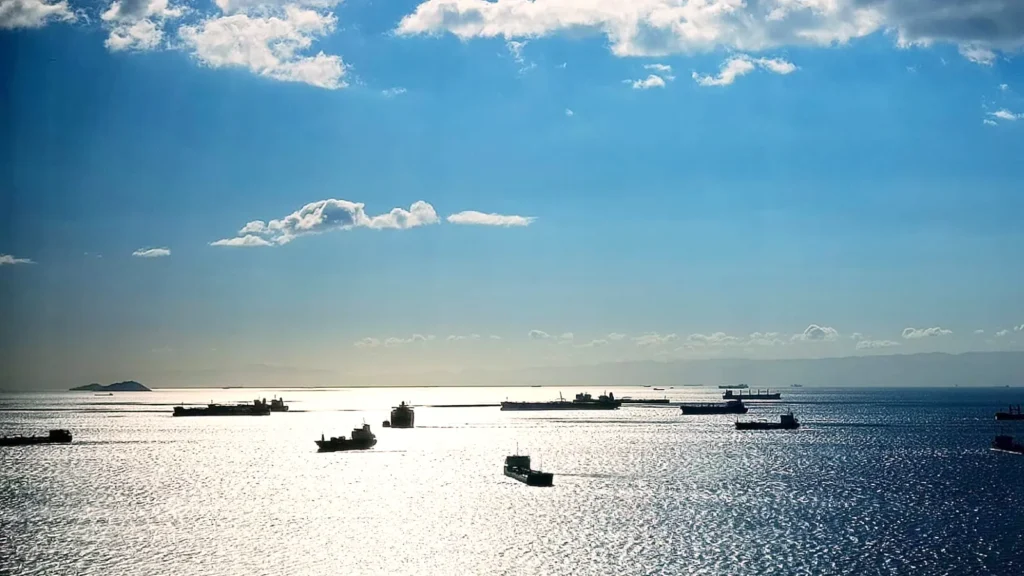
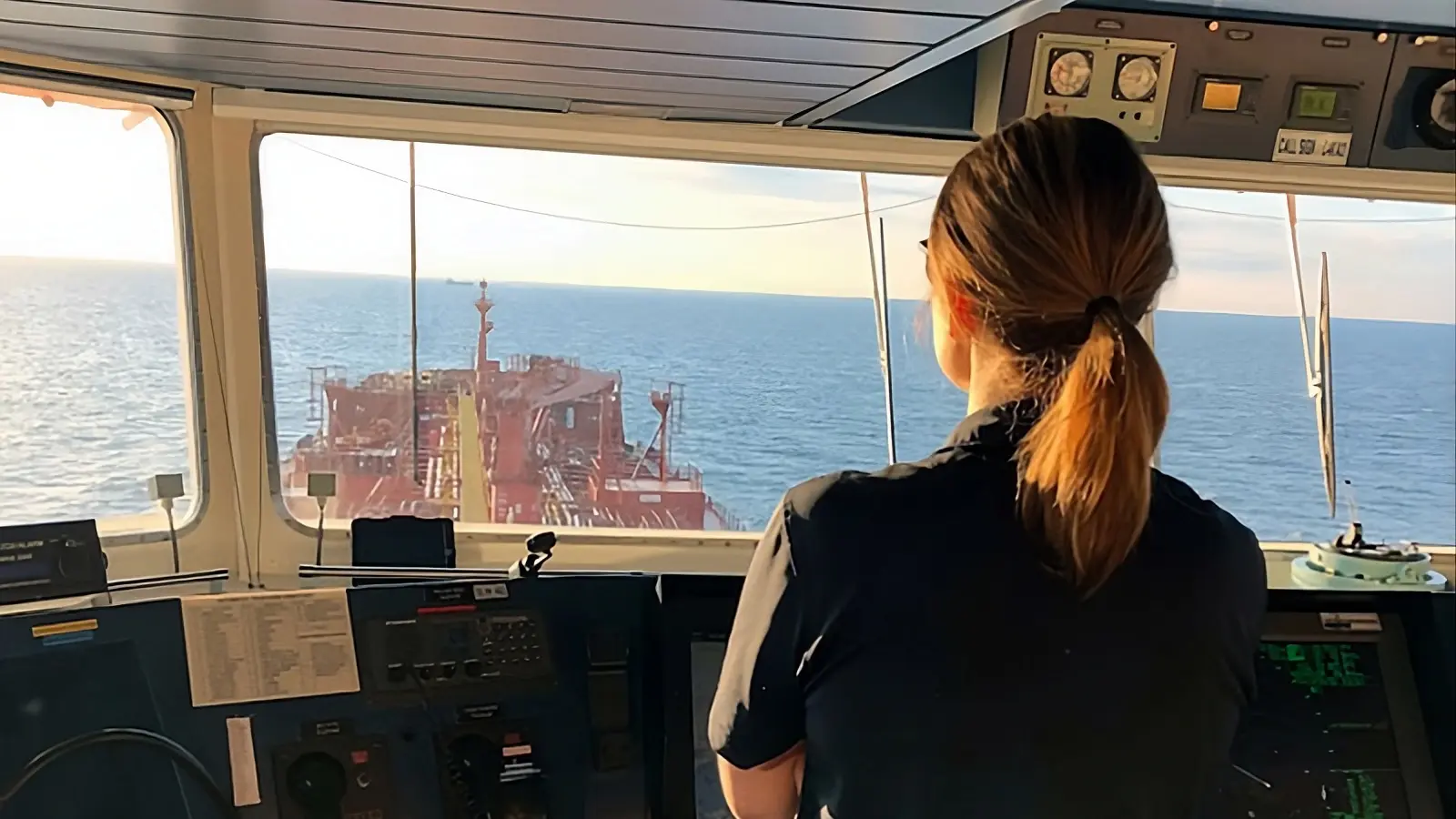
In this context, the approach of the Network of Women of Maritime Authorities of Latin America (MAMLa Network) takes on a strategic dimension, as it serves as a regional platform aimed at strengthening women’s participation in the maritime sector.
Since its creation, this network has worked to increase visibility, coordination, and empowerment of women in the regional maritime field, promoting their leadership, training, and participation in technical and decision-making spaces, in line with the challenges posed by the sector’s energy transition.
In this regard, members of this Network have actively participated in regional and international cooperation initiatives, technical training opportunities, and forums related to the maritime and climate agenda, contributing to the exchange of best practices and the strengthening of capacities. This process not only fosters greater inclusion but also makes it possible to incorporate a diverse and necessary perspective to address the challenges of decarbonizing maritime transport.
Thus, the transition toward sustainable maritime transport is shaped as an opportunity for the development of human, scientific, and management capacities, especially for women who aspire to enter traditionally male-dominated fields.
In Latin America, where gender gaps persist in strategic sectors, this approach is particularly relevant, as it makes it possible to link the climate agenda with the construction of a more inclusive, resilient, and sustainable maritime sector.
In short, the decarbonization of maritime transport is not only a technical or environmental challenge, but also a strategic opportunity to rethink the structure of the sector in more inclusive and sustainable terms. The integration of the climate agenda and a gender perspective not only helps advance the achievement of international objectives, but also strengthens capacities, diversifies participation, and creates new opportunities in the maritime field. In this context, initiatives such as our Network demonstrate that a just energy transition requires effectively integrating all stakeholders, recognizing that the sustainability of the sector depends both on technological innovation and on inclusion and the development of human capital.
References
- United Nations Conference on Trade and Development. (2025). Review of Maritime Transport 2025: Overview. United Nations. Available at: https://unctad.org/system/files/official-document/rmt2025overview_es.pdf
- International Maritime Organization. (n.d.). IMO and the Sustainable Development Goals. Available at: https://www.imo.org/en/mediacentre/hottopics/pages/sustainabledevelopmentgoals.aspx
- International Maritime Organization. (2023). 2023 IMO Strategy on Reduction of GHG Emissions from Ships. Available at: https://www.imo.org/es/ourwork/environment/pages/2023-imo-strategy-on-reduction-of-ghg-emissions-from-ships.aspx
- United Nations. (2015). The General Assembly adopts the 2030 Agenda for Sustainable Development. Available at: https://www.un.org/sustainabledevelopment/es/2015/09/la-asamblea-general-adopta-la-agenda-2030-para-el-desarrollo-sostenible/
- Organization of Ibero-American States for Education, Science and Culture. (2024). Energytran Project: Cooperation of research infrastructures for the energy transition between European countries and Latin America and the Caribbean. OEI.