

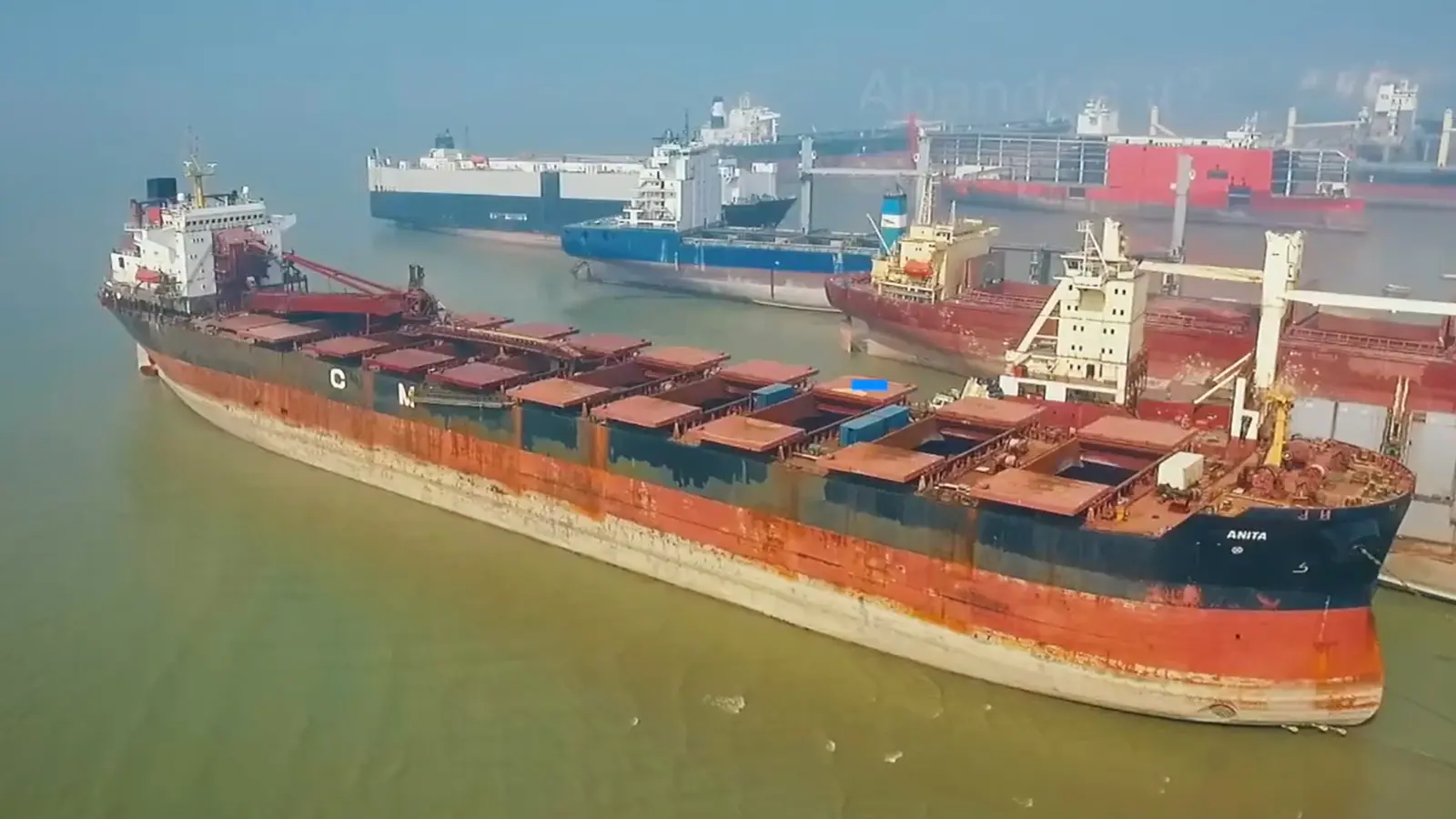
RECYCLING THE END TO SOW THE FUTURE: SENSREC
The end of a ship’s voyage is not the closing of its story, but the beginning of a material and social transformation. Historically, shipbreaking has been an industry marked by high labor risks and significant environmental damage; however, the global landscape is changing thanks to strategic collaboration and a sustainability vision that seeks to leave no one behind.
Driven by the International Maritime Organization (IMO), in collaboration with the Government of Norway and strategic partners, the SENSREC Program (Safe and Environmentally Sound Recycling of Ships) has been launched. This global initiative aims to support developing countries and their ship recycling industries in moving toward safe, sustainable, and equitable dismantling practices.
This program gains unprecedented relevance with the entry into force of the Hong Kong International Convention (June 2025) for the safe and environmentally sound recycling of ships, which establishes a new binding standard for responsible governance of the ship life cycle, from design to final recycling. Its main areas of action include: legal and institutional strengthening, building technical and training capacities to comply with health, safety, and environmental regulations, improving hazardous waste management, and supporting industry modernization.
The Convention not only regulates shipbreaking but also introduces the “cradle-to-grave (1)” concept into naval architecture. Currently, ships of 500 gross tonnage or more are required to carry a verified Inventory of Hazardous Materials (IHM) Certificate before entering a recycling yard. This transforms the industry into a precision engineering operation, where chemical and radiological safety are paramount. For Member States, this implies the obligation to establish a Ship Recycling Facility Authorization (SRFA) system, ensuring that only shipyards meeting international safety and health standards are allowed to operate.

SENSREC has demonstrated that change is possible. In Bangladesh, the program not only improved operational practices but also facilitated the country’s accession to the Convention, integrating stakeholders who were previously invisible in the process—demonstrating how a comprehensive approach can transform deeply rooted practices.
The implementation of the Hong Kong Convention requires a massive modernization of the workforce. This is where gender equality becomes strategic: the IMO, through programs such as SENSREC, has identified that diversifying talent is key to meeting the demand for specialists in hazardous waste management, environmental auditing, and regulatory compliance, through awareness workshops aimed at workers, middle management, and shipyard leadership teams. This initiative is based on a recognition that, despite the historical underrepresentation of women in technical and operational spaces within the maritime and port chain, their participation is essential for the transition toward more sustainable practices to be truly inclusive and transformative.
In this context, Red MAMLa can play a strategic role in amplifying this narrative in Latin America. With its historical connection to the sea, the region faces persistent challenges in occupational safety, environmental management, and access to professional opportunities in technical sectors. The articulation of a network of women leaders capable of promoting training processes, fostering technical dialogue, and strengthening gender-responsive policies can make a difference so that initiatives like SENSREC do not remain isolated or distant experiences, but instead translate into concrete opportunities for professional and equitable development throughout the maritime value chain.
Aligning environmental standards with a gender perspective is not a symbolic gesture, but a strategic decision that strengthens the quality and legitimacy of sustainability policies. An ecological transition that does not incorporate diversity in decision-making risks reproducing the same gaps it seeks to overcome. Including more women in technical and regulatory processes in ship recycling improves diagnostics, enriches solutions, and strengthens sector governance.
Thus, the SENSREC program is not just a set of workshops and regulatory frameworks: it is an invitation to rethink the end of a ship’s life cycle as the beginning of a safer, more responsible, and fairer process—one in which women’s voices are a fundamental part of the maritime history to come. All of this forms part of a broader vision of sustainability that Red MAMLa can lead and promote.
More information at IMO.ORG : https://www.imo.org/en/ourwork/partnershipsprojects/pages/sensrec.aspx
(1) It refers to life cycle analysis, which evaluates the environmental impact of a product’s life cycle—from the extraction of raw materials for its production to its final disposal as waste, which may be recycled.