

NAVAL ENGINEERING: THE FOUNDATION OF MARITIME SAFETY
In the vast maritime arena that connects continents, cultures, and economies, maritime safety has become an indispensable requirement for global development. Every day, thousands of ships transport goods, passengers, and resources across oceans and seas, facing adverse weather conditions, unpredictable currents, and other natural or human-made risks. However, little thought is given to one of the essential factors that make this safety possible: naval engineering.
Naval engineering is not simply the construction of ships; it is the science that studies, designs, plans, and maintains vessels so that they are capable of sailing safely and efficiently. Every detail, from the shape of the hull to the layout of the propulsion systems, including the configuration of evacuation spaces and safety devices, is based on calculations and studies aimed at protecting human lives and the marine environment.
A commercial vessel, a military vessel, a passenger ferry, or an offshore platform all share a fundamental need: strength and reliability in the marine environment. In this sense, structural design is one of the first major contributions of naval engineering to maritime safety. Engineers calculate factors such as bending moment, buckling resistance, buoyancy capacity, and transverse stability so that the vessel can withstand storms, impacts, or failures. History shows that many maritime disasters, such as shipwrecks in the 20th century, drove significant advances in design standards and technology, led by the naval engineering community.
Another key contribution lies in fire prevention and explosion protection. Especially in tankers and ferries, naval engineering covers everything from the choice of fire-resistant materials to the installation of automatic detection and extinguishing systems. The division of watertight compartments, for example, is a strategy that allows a ship to remain afloat even when one section is compromised by structural damage or accidents.
Propulsion technology is also a field where naval engineering contributes directly to safety. A failure in the propulsion system at sea can be critical. That is why engineers are working on the development of redundant systems, emergency propulsion systems, and remote control mechanisms that allow ships to maneuver or stop even in extreme situations. In addition, with the advancement of hybrid propulsion and alternative fuels, such as LNG or green hydrogen, naval engineering faces new challenges to ensure that the energy transition does not compromise the operational reliability of ships.
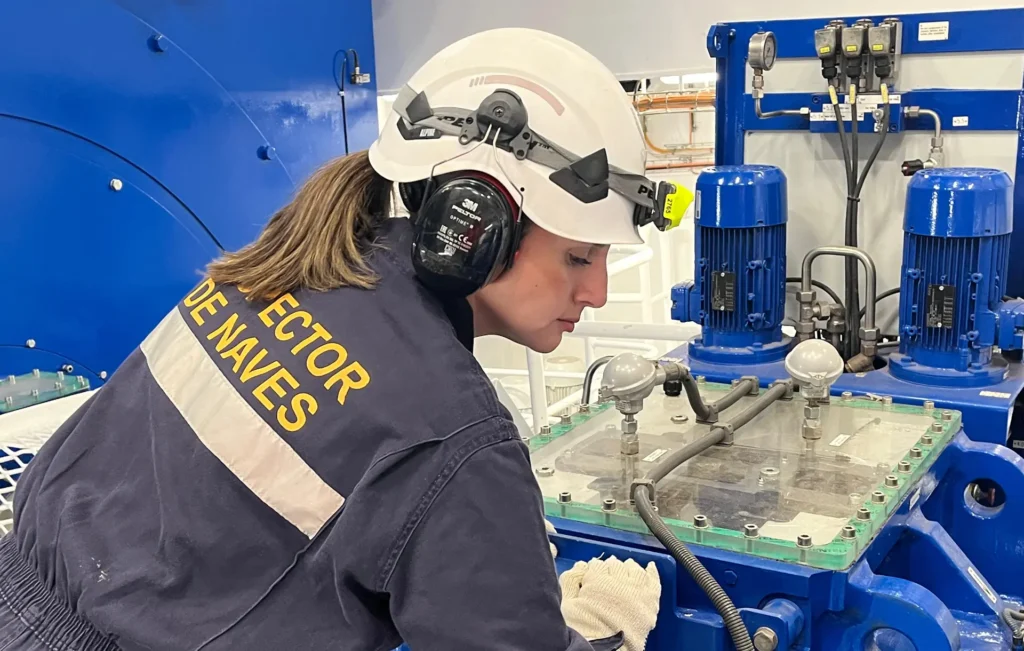
In an increasingly digitized world, monitoring and automation systems also play a key role in safety. Naval engineers integrate solutions that enable constant monitoring of critical parameters: engine temperature, valve status, fuel pressure, and structural behavior under dynamic loads. This information, processed in real time, makes it possible to anticipate failures and perform predictive maintenance, reducing the risk of accidents.
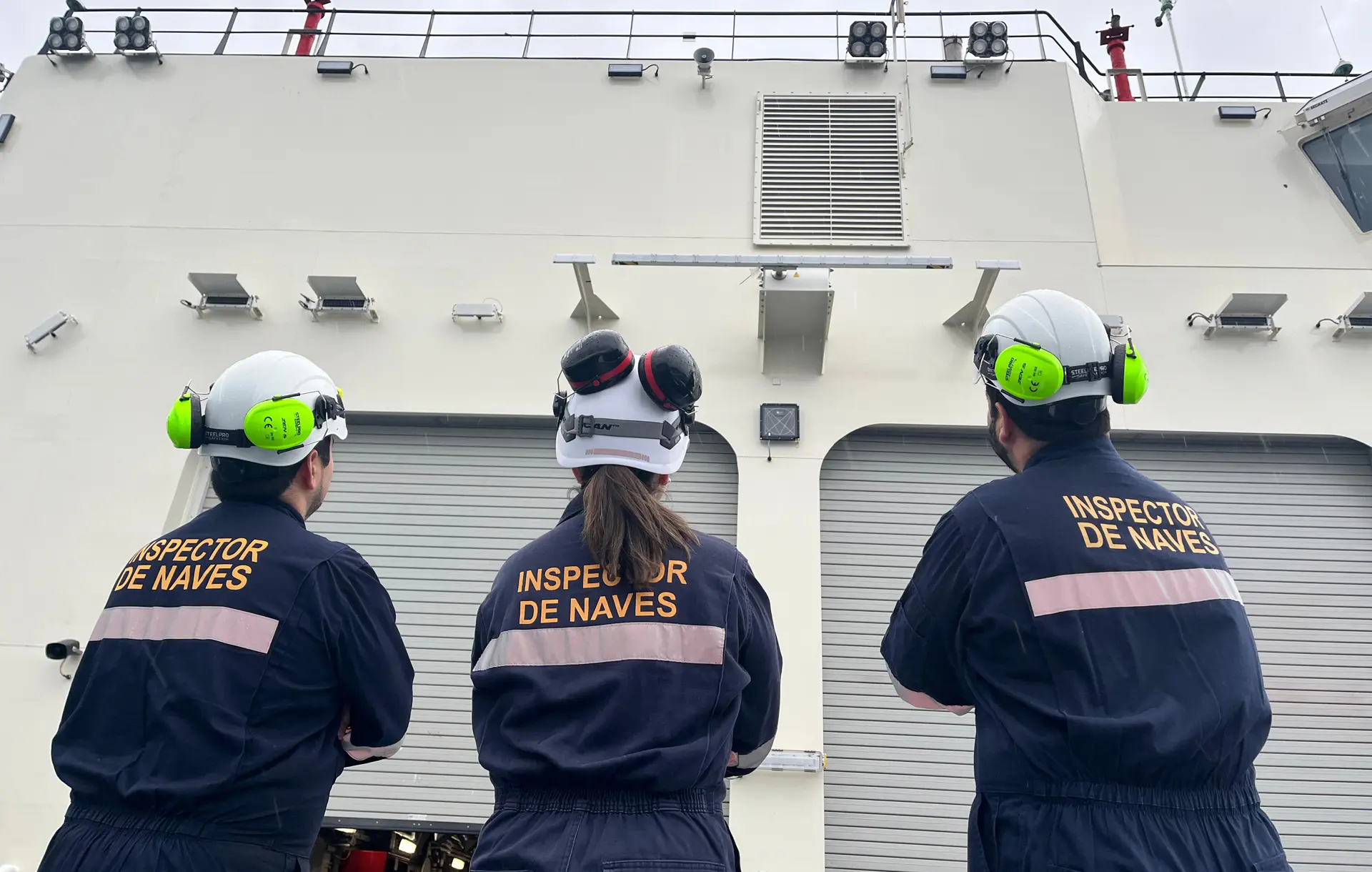
The contribution of naval engineering does not end with the launch of the vessel. Throughout their useful life, ships are subject to periodic inspections, modernizations, and regulatory adaptations. Engineers perform structural integrity assessments, corrosion analyses, retrofits to update safety standards, and extended life studies. As a result, vessels that were designed decades ago can continue to operate safely under modern standards.
In addition, naval engineering plays a vital role in emergency situations. The design of evacuation routes, the location of liferafts, the implementation of automatic watertight doors, and emergency communication systems are the result of detailed studies that consider not only normal conditions but also extreme scenarios such as collisions, fires, ramming, or grounding. Every second gained in an evacuation can mean dozens of lives saved, and that advantage begins much earlier, in the engineering offices.
Modern maritime safety also includes environmental protection. Naval engineering works to reduce oil spills, decrease atmospheric emissions, and protect sensitive habitats. Better-designed ships are not only safer for people, but also for the ecosystems they sail through.
Finally, it should be noted that naval engineering is a living discipline, constantly evolving. The emergence of autonomous ships, navigation in polar regions, and the challenges posed by climate change demand new knowledge, new tools, and a focus on continuous innovation. Training new engineers, strengthening research centers, and international collaboration will be key to making maritime safety even more robust and sustainable in the future.
In short, behind every ship that sets sail and arrives safely in port, behind every successful rescue operation or every cargo that crosses the oceans without incident, is the silent and essential work of naval engineering. It is an art and a science that, although often invisible to the general public, underpins one of the most fundamental aspects of our modern life: safety at sea.