

LOGISTICALLY SPEAKING
2021: six months of constant change for a sector that is generally not static, and where changes can be a familiar occurrence.
The pandemic came to transform what we once considered normal. While changes in itineraries, costs, and routes had always existed, they were not the norm.
In this first half of the year, we found ourselves becoming more accustomed to logistical changes due to the ongoing events we face day by day.
Since March 2020, the pandemic has traced a complex path that has forced industry players to become more agile and think outside the box. However, despite having efficient mechanisms and innovative responses to different logistical scenarios, situations arose that destabilized the 2021 action plans for economic recovery and supply chain fulfillment.
The Suez Canal incident marked a new milestone in the logistical plans that were already being developed and executed, adding another layer of complexity to an already challenging scenario.
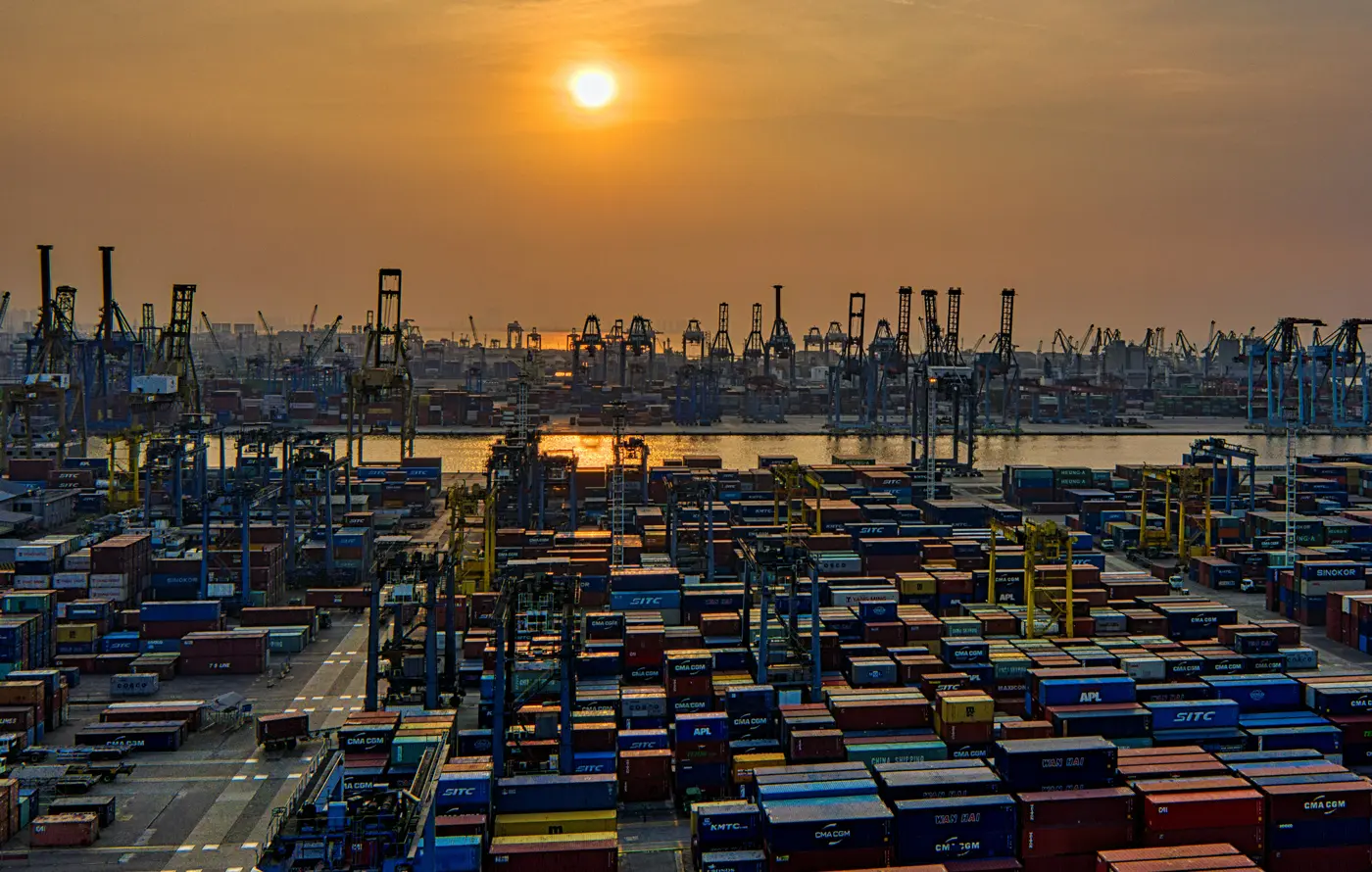
Strict disinfection and quarantine measures since May 21 have led to congestion of ships waiting to dock at one of China’s busiest container ports, the Yantian International Container Terminal (YICT) in Shenzhen. We know this is one of the most important ports in southern China, serving a quarter of U.S. trade—therefore, the disruption is significant.
But unfortunately, it doesn’t end there. Nearby ports have begun increasing their container movements to dispatch goods that factories need to ship, and that customers at destination urgently need to receive. In most cases, these shipments were paid for in advance with promised delivery times—promises that no longer hold after months have passed since purchase.
Further lockdowns in Guangdong, China, as the Delta variant of COVID-19 spreads, mean that many factories cannot ship their goods because transport operators are unable to enter cities to load containers. Industrial production will once again decline due to strict biosecurity procedures aimed at preventing the spread of the new variant.

Logistical chaos has now extended beyond ports and shipping lines. We are now talking about industrial cities that may need to remain under strict quarantine.
Even so, within chaos there is always hope—or at least that’s how I choose to see it.
For Latin America and Panama, this represents a great opportunity to turn toward neighboring countries in the region for local sourcing, with the advantage of shorter distances that allow goods to be delivered within reasonable timeframes and costs.
Panama, with its Colón Free Zone and its supply links to China, should view this situation as an opportunity to keep the region supplied with a diverse range of products accessible to customers.
Logistics companies must reinvent themselves to properly advise clients. It is not the same to deal with container freight costs rising from $2,000 to $12,000 without having the capacity to guide clients in making better investment decisions.
By habit and tradition, we have operated by sourcing from Asian markets and have overlooked other industrial markets as viable options. Today’s situation pushes us to operate beyond that mindset.
The potential of industries in Latin America must begin to showcase their added value, production capacity, and product quality.
Identifying key distribution points—logistics hubs—will be essential for nearshoring, bringing back time as the most valuable asset for the economy.
Logistics will continue to evolve, and so will our habits as consumers. Adapting to new scenarios has become the norm in recent times and will continue to be so in the long term.