
THE ROLE OF WOMEN IN THE PORT STATE CONTROL (PSC)
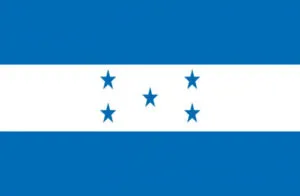
The development of the maritime legal framework in Honduras has been key to positioning the country as a relevant actor in trade and maritime security, both regionally and internationally. The Organic Law of the National Merchant Marine of 1943 laid a solid foundation for the regulation and supervision of the sector, which over time has evolved to incorporate technologies and international standards that ensure the competitiveness and sustainability of the maritime sector (Directorate General of the Merchant Marine, 2025).
The country has adopted a proactive approach to implementing agreements such as the MARPOL Convention and other instruments related to emissions reduction and waste management on board ships. As part of this commitment, Honduras has organized significant events, including the Workshop on the Socialization of MARPOL Annex VI and the first “National Workshop of the GMN Phase II Project” held in the country (IMO, 2024). These actions help anticipate and adapt to international regulatory trends, thereby ensuring economic integration, gender inclusion, and environmentally responsible practices within the Honduran maritime sector.
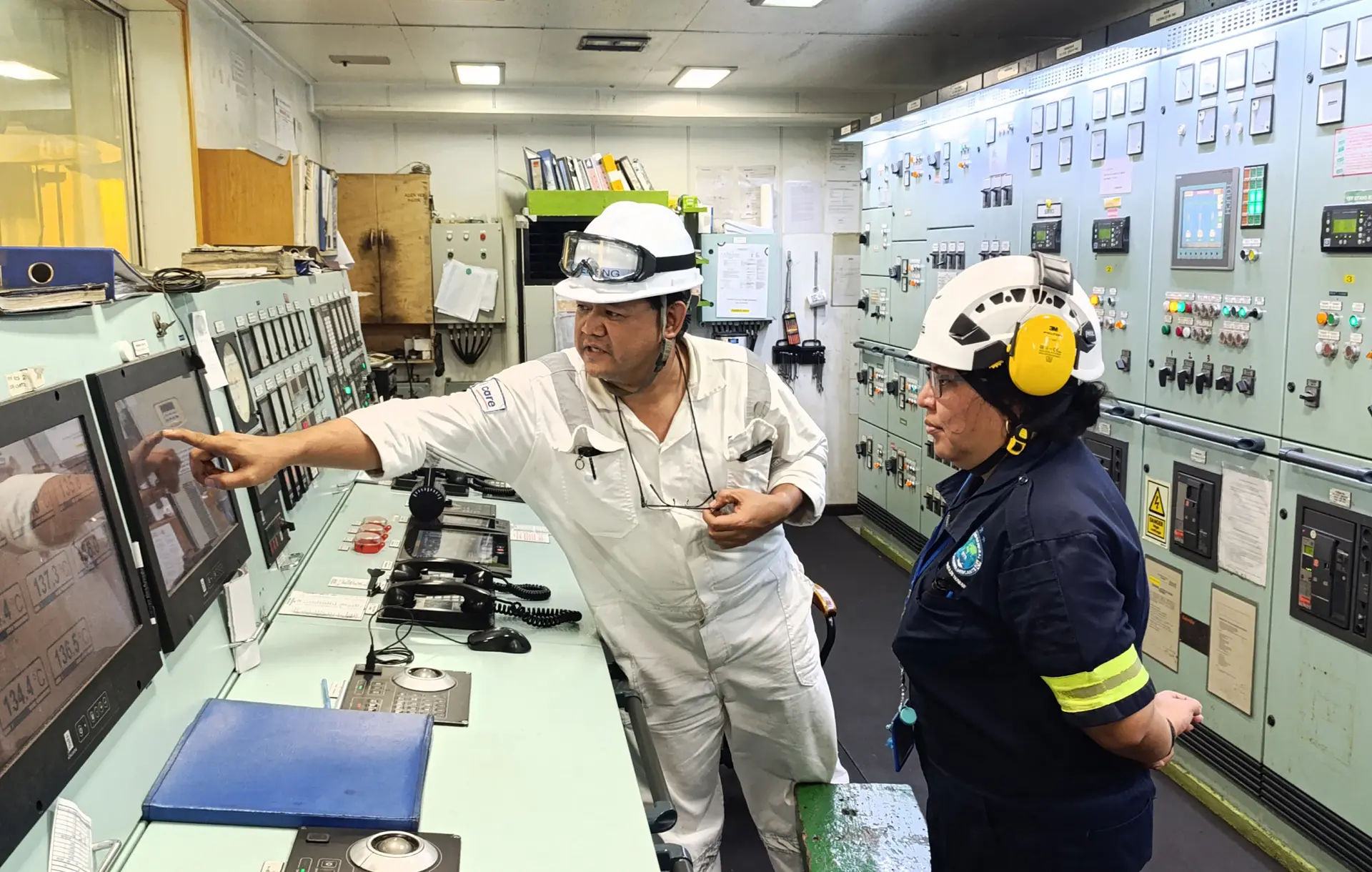
As part of this proactive approach, the Honduran Merchant Marine historically showed limited female participation in leadership positions. This reality has begun to change, especially within Port State Control, a team of supervisory officers responsible for the rigorous enforcement of international maritime instruments. The main purpose is the elimination of substandard vessels and ensuring compliance with regulations on maritime safety, environmental protection, and the safeguarding of human life at sea.
In 2022, the appointment of the first woman as Head of Port State Control was recorded. Her inclusion in this role has represented a constant challenge to overcome stereotypes and prejudices, but it has also driven progress toward workplace equality and the recognition of women’s talent and commitment within the sector (Directorate General of the Merchant Marine, 2025).
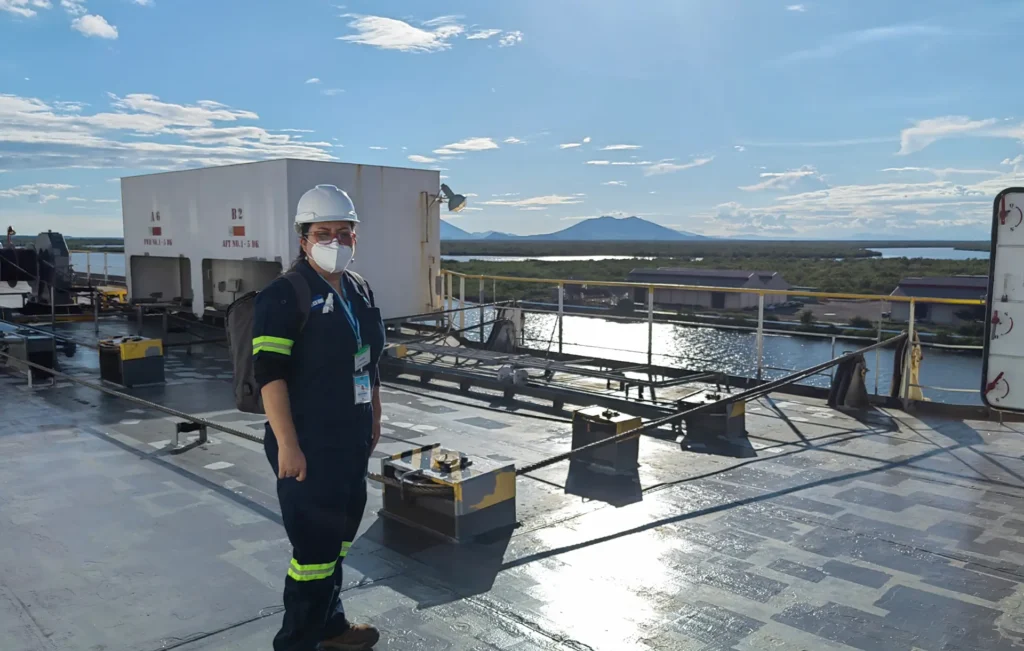
The female presence in Port State Control has contributed positively to improvements in the work environment and to greater effectiveness in achieving institutional goals. This progress has been made possible through continuous professional training, which involves constant support from the Honduran Maritime Authority and the International Maritime Organization, as well as the development of specific skills and the strengthening of self-awareness—key aspects for successfully facing the challenges and responsibilities inherent to the sector. In addition, interaction and the exchange of experiences between men and women have strengthened mutual trust within the work team (Directorate General of the Merchant Marine, 2025).
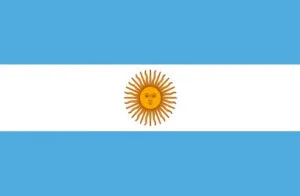
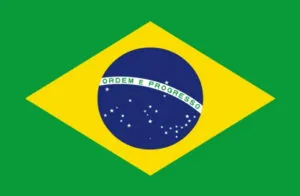
It is worth noting that the incorporation of the first woman in this context sets an important precedent in the Central American region, following the example of maritime inspection authorities in countries such as Argentina and Brazil. This change is significant as a fundamental step toward promoting diversity, inclusion, and equal opportunities within the regional maritime industry.
To overcome gender barriers in the sector, the Directorate General of the Merchant Marine has implemented training, mentoring, and professional development activities with an emphasis on gender equity. It has also promoted participation in regional associations such as the Network of Women of Maritime Authorities of Latin America (Red MAMLa), part of the seven regional associations of women known as Women in Maritime Associations (WIMAs), which brings together more than 150 countries and territories with the aim of fostering equality and women’s empowerment in the maritime field. Likewise, the Central American Network of Women in Maritime and Port Sectors (REMPORT) has been instrumental in recognizing female talent and leadership, facilitating the exchange of experiences and strategies to promote women’s leadership in the maritime and port sectors (Red MAMLa, 2024; REMPORT, 2023).
In conclusion, the evolution of Port State Control in Honduras, together with the firm commitment to enforcing national and international regulations and promoting gender equality programs, demonstrates a progressive path toward a modern, sustainable, and inclusive maritime sector. The growing and active participation of women in these areas represents a positive indicator of the social and professional progress the country is achieving, positioning itself as a leading reference in the region.
Bibliography
[1] Equidad y Género – Marina Mercante de Honduras
https://marinamercante.gob.hn/category/equidad-y-genero/
[2] Un informe sobre la participación de las mujeres del sector marítimo…
https://www.comme.org/marina-mercante-noticias/un-informe-sobre-la-participaci%C3%B3n-de-las-mujeres-del-sector-mar%C3%ADtimo
[3] La Dirección General de la Marina Mercante impulsa acciones en el …
https://marinamercante.gob.hn/la-direccion-general-de-la-marina-mercante-impulsa-acciones-en-el-marco-de-los-16-dias-de-activismo-contra-la-violencia-hacia-las-mujeres/
[4] [PDF] LA MUJER EN LA MARINA MERCANTE ESPAÑOLA
https://riull.ull.es/xmlui/bitstream/915/8021/1/LA+MUJER+EN+LA+MARINA+MERCANTE+ESPANOLA+.pdf
[5] Estadísticas Flujo Migratorio de Marinos
https://marinamercante.gob.hn/estadisticas-flujo-migratorio-de-marinos/
[6] [PDF] Situación de la mujer ante los estudios marítimos y la Marina Mercante https://upcommons.upc.edu/bitstreams/2b951ae6-f6e1-41ec-a8cb-f0981c637d0e/download
[7] El reto de ser mujer en el transporte marítimo – T21
https://t21.com.mx/maritimo-2022-05-19-reto-ser-mujer-transporte-maritimo/