
CHILE AT THE IALA COUNCIL: REGIONAL LEADERSHIP IN GLOBAL MARITIME GOVERNANCE
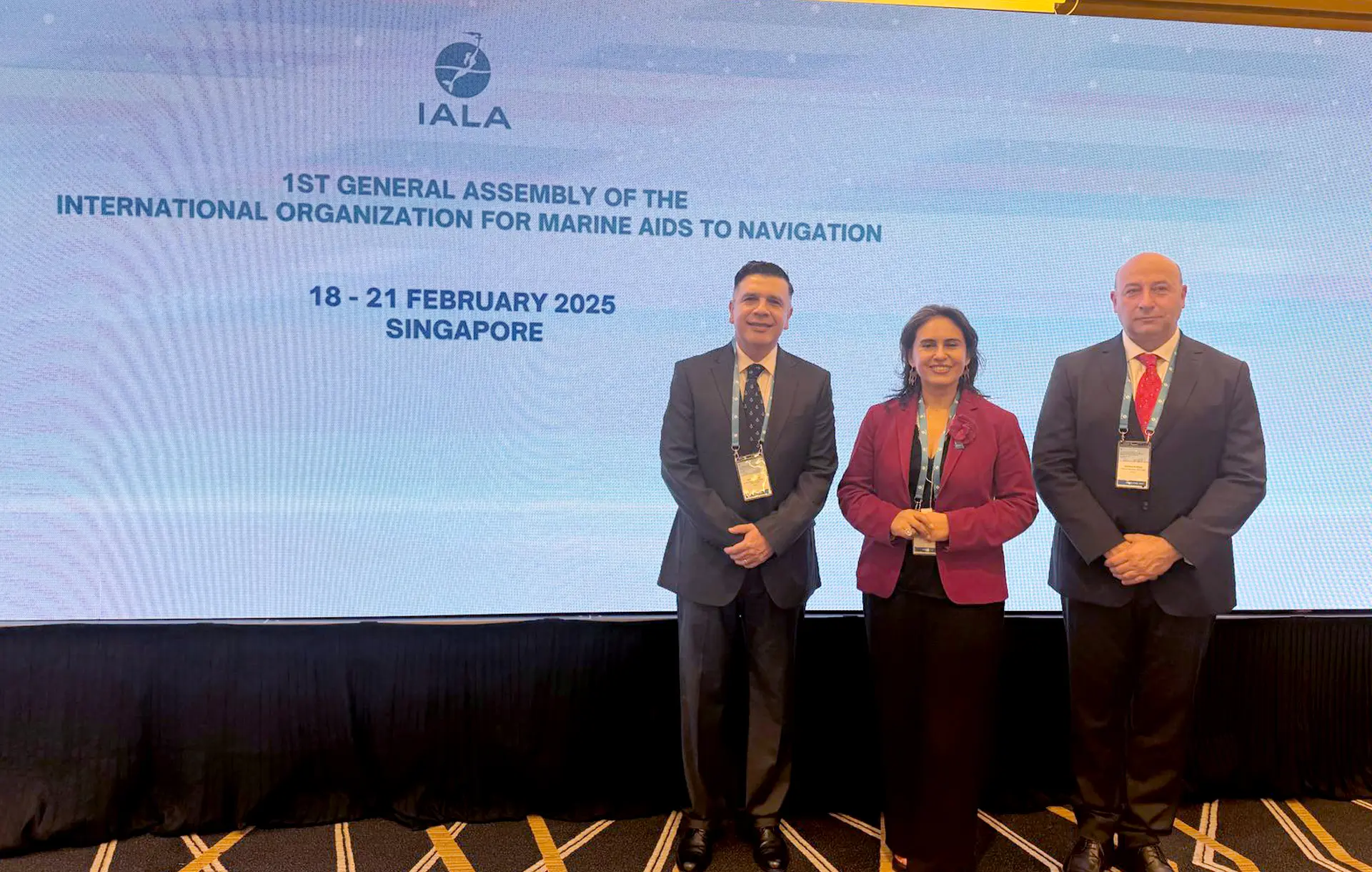
Chile’s election as a member of the Council of the International Association of Maritime Signaling Authorities (IALA), in its new capacity as an Intergovernmental Organization (IGO), represents a milestone for the country’s international projection in maritime matters. This achievement reinforces the country’s leadership in navigation safety and aids to navigation management, positioning Chile as a regional reference.
IALA, founded in 1957, is a technical organization whose objective is to harmonize aids to maritime navigation worldwide, promoting safety, efficiency and sustainability. In 2021, it began its transition to IGO, acquiring legal legitimacy under international law, which strengthens its capacity to establish regulations of global scope.
RELEVANCE FOR CHILE
With more than 4,300 kilometers of coastline and complex routes such as the Strait of Magellan, the southern channels and the Drake Passage, Chile faces permanent challenges in terms of navigational safety. Active participation in IALA makes it possible to influence international standards, ensuring their adaptation to the country’s geographical, climatic and operational conditions.
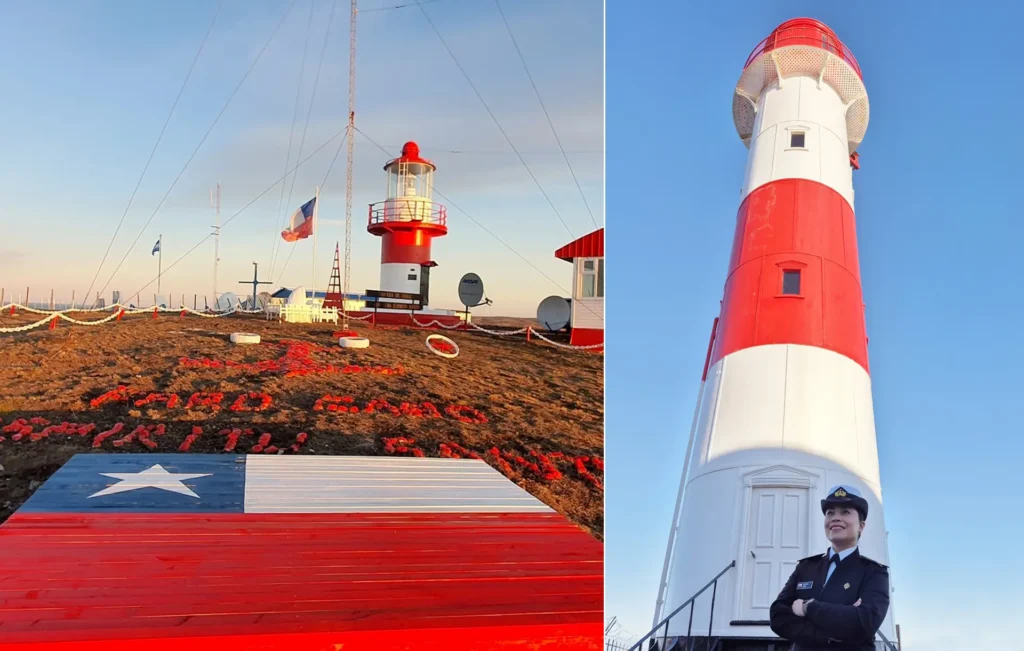
The management of aids to navigation is the responsibility of the General Directorate of Maritime Territory and Merchant Marine (DIRECTEMAR), which manages more than 1,800 maritime signals, including lighthouses, buoys, beacons and electronic systems such as AIS AtoN. This infrastructure constitutes the backbone for ensuring safe navigation in national waters.
ELECTION OF CHILE TO THE COUNCIL
With 33 votes out of 38 voting States, Chile’s election to the IALA Council confirms international confidence in its technical and diplomatic management. This space will promote the technological modernization of the national system, strengthen regional cooperation and consolidate the country’s position as a key player in global maritime governance forums.
The presence in the Council is not only symbolic: it implies an active role in making regulatory and technical decisions that affect global navigation. In this context, DIRECTEMAR’s leadership will be decisive in representing national interests and aligning global regulations with local realities.
IALA AS AN INTERGOVERNMENTAL ORGANIZATION
The transformation of IALA into an IGO means a profound change in its governance. It goes from being a technical entity to becoming a diplomatic body with decision-making capacity. For Chile, this implies a strategic opportunity to defend its maritime interests in multilateral instances with greater political and legal weight.
The benefits of this transformation include:
- Strengthening international cooperation in maritime security.
- Strengthening the capacity of Member States to define regulatory frameworks adapted to their contexts.
- Facilitating the participation of developing countries in regulatory processes.
- Consolidating South America’s voice in global maritime governance bodies.
COMMITMENTS AND CHALLENGES FOR DIRECTEMAR
This new scenario imposes on DIRECTEMAR a set of strategic challenges and key institutional responsibilities to capitalize on Chile’s role in IALA:
a) Active participation in the Council:
- Represent the country in regulatory and technical processes.
- Promote innovation in aids to navigation.
- Foster regional alliances to raise South American standards.
b) Implementation of international standards:
- Adapt IALA regulations to the Chilean context.
- Coordinate with public and private organizations linked to the maritime sector.
c) Specialized training:
- Promote technical training in maritime signaling.
- Develop highly qualified human capital in applied technologies.
d) Sustainability and innovation:
- Lead renewable energy projects in lighthouses and beacons.
- Participate in research and development networks promoted by IALA.
FUTURE OUTLOOK
Chile’s incorporation into the IALA Council constitutes a platform for elevating its international influence in maritime matters. In addition to strengthening the country’s technical and diplomatic prestige, it allows it to project a modern and sustainable vision of coastal management, in line with the global challenges of the 21st century.
This privileged position should be leveraged to:
- Strengthen national maritime governance.
- Consolidate the technical leadership of DIRECTEMAR.
- Promote international standards that recognize the geographic and climatic diversity of the Southern Hemisphere.
FINAL REFLECTION
Chile’s election to the IALA Council is not only recognition of the work carried out, but also an invitation to actively lead the future of global maritime navigation. From this new role, the country will be able to contribute to the development of more inclusive, modern, and sustainable global standards.
This milestone demonstrates that Chile not only participates in global maritime governance: it assumes a leadership commitment with a regional vision and international vocation, contributing its experience, capabilities, and responsibility for the benefit of safe navigation for all the world’s oceans.