
IMO ADVANCES PRACTICAL MEASURES TO IMPROVE MARITIME SAFETY IMPLEMENTATION
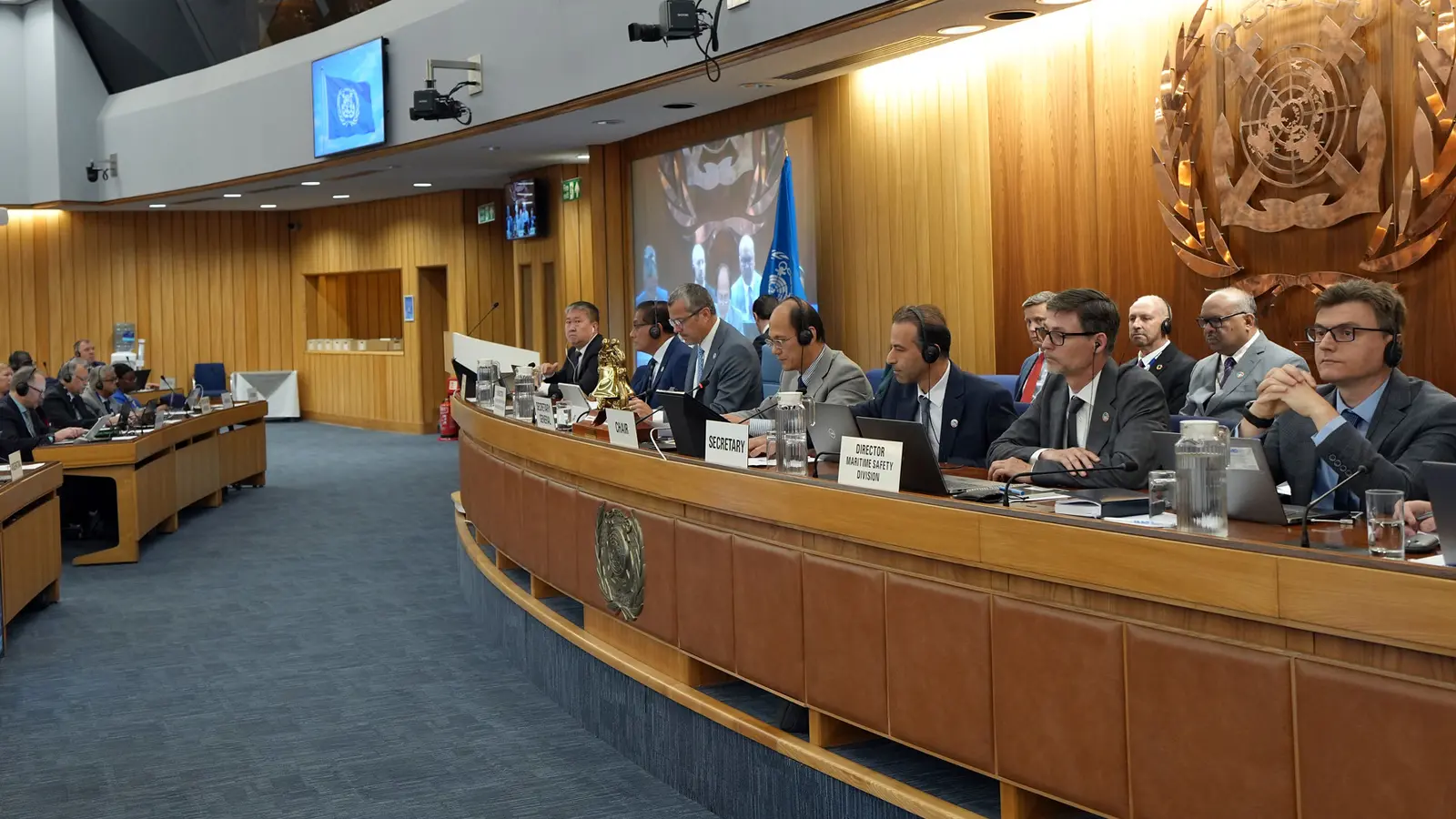
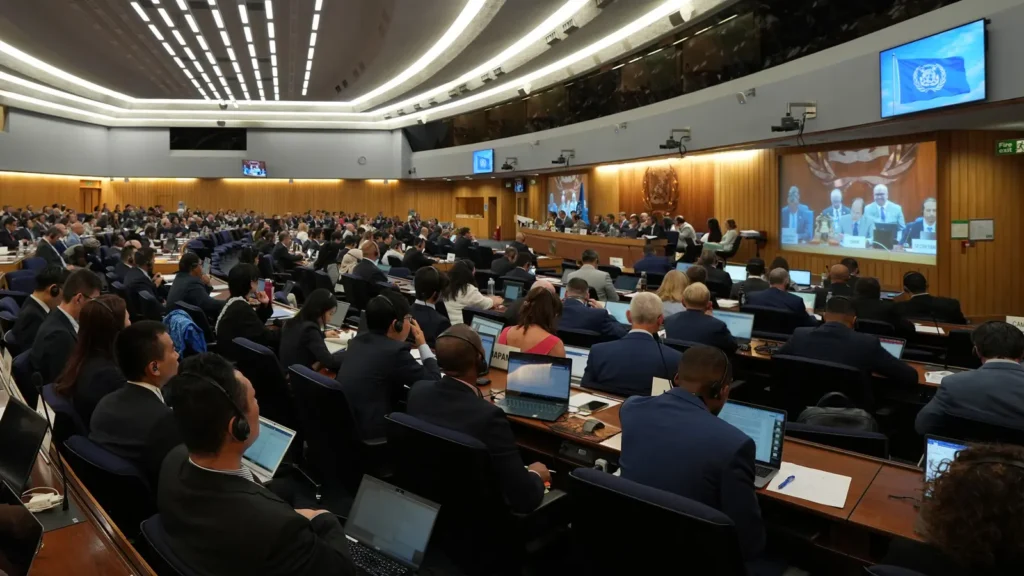
The twelfth session of the Sub-Committee on Implementation of IMO Instruments (III-12), held at the headquarters of the International Maritime Organization in London from 20 to 24 July 2026, sought to advance concrete solutions to improve maritime safety and oversight worldwide. The meeting, chaired by Mr. Xie Hui (China), with Captain Przemysław Lenard (Poland) serving as Vice-Chair, focused its discussions on the quality of casualty investigations, the harmonization of Port State Control, and the modernization of inspection and certification guidelines.
Among the key outcomes, the Sub-Committee approved two III.3 circulars addressing lessons learned from maritime casualties and the analysis of incidents involving high-pressure cylinder ruptures. It also gave the green light to new projects concerning fire safety standards for cargo spaces on bulk carriers and the risk assessment associated with the use of inflatable lifejackets, for consideration by the MSC (Maritime Safety Committee).
Regarding Port State Control, III-12 agreed on a framework for an Entry Training Manual for inspectors and continued work toward a global database to facilitate the harmonization of inspections and detentions. It also initiated the review of the Casualty Investigation Code to improve the quality of investigations and recommended optimizing the methodology used to analyze the consolidated audit reports from the first cycle of the IMO Member State Audit Scheme (IMSAS, 2016–2024).
Similarly, the Sub-Committee made progress on updating survey guidelines under the Harmonized System of Survey and Certification (HSSC) through 31 December 2027, launched a comprehensive review of the implementation guidelines for the ISM Code, and finalized, with the support of an expert group, the draft guidelines and checklists for the safety and seaworthiness inspection of small fishing vessels. This document is proposed for joint dissemination with the FAO.
From Red MAMLa, we support IMO actions aimed at minimizing risks and optimizing the implementation of standards by Member States. We believe that technical cooperation, training, and the inclusion of a gender perspective are key to transforming these standards into real-world practices that protect seafarers, professionalize the sector, and promote environmental and social sustainability.
- Pictures: Courtesy of IMO.
- For more details on this news, please visit the IMO website.