MARITIME SECURITY, GENDER EQUALITY AND DIGITAL TRANSFORMATION: KEY ISSUES HIGHLIGHTED AT THE IMO COUNCIL
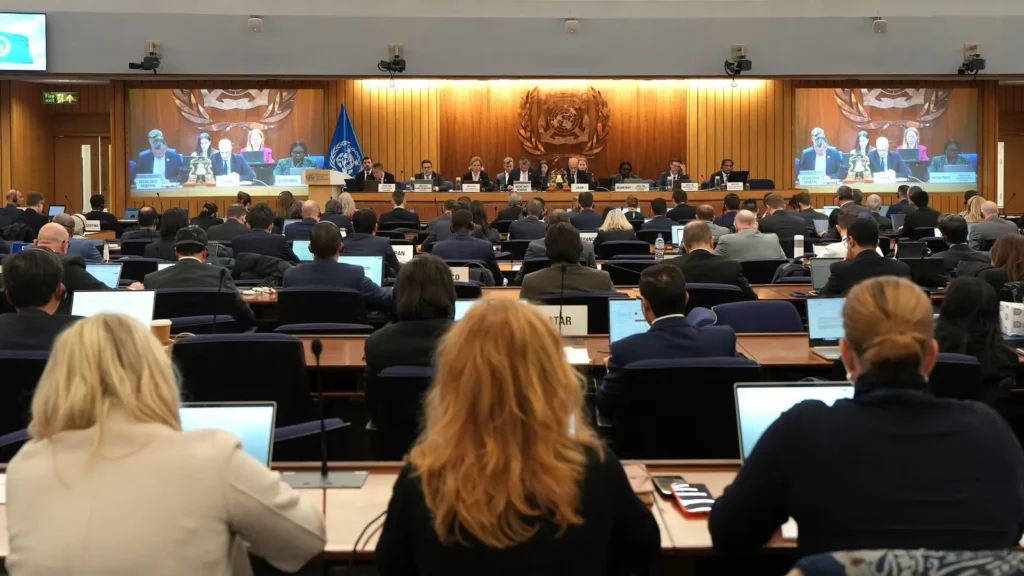
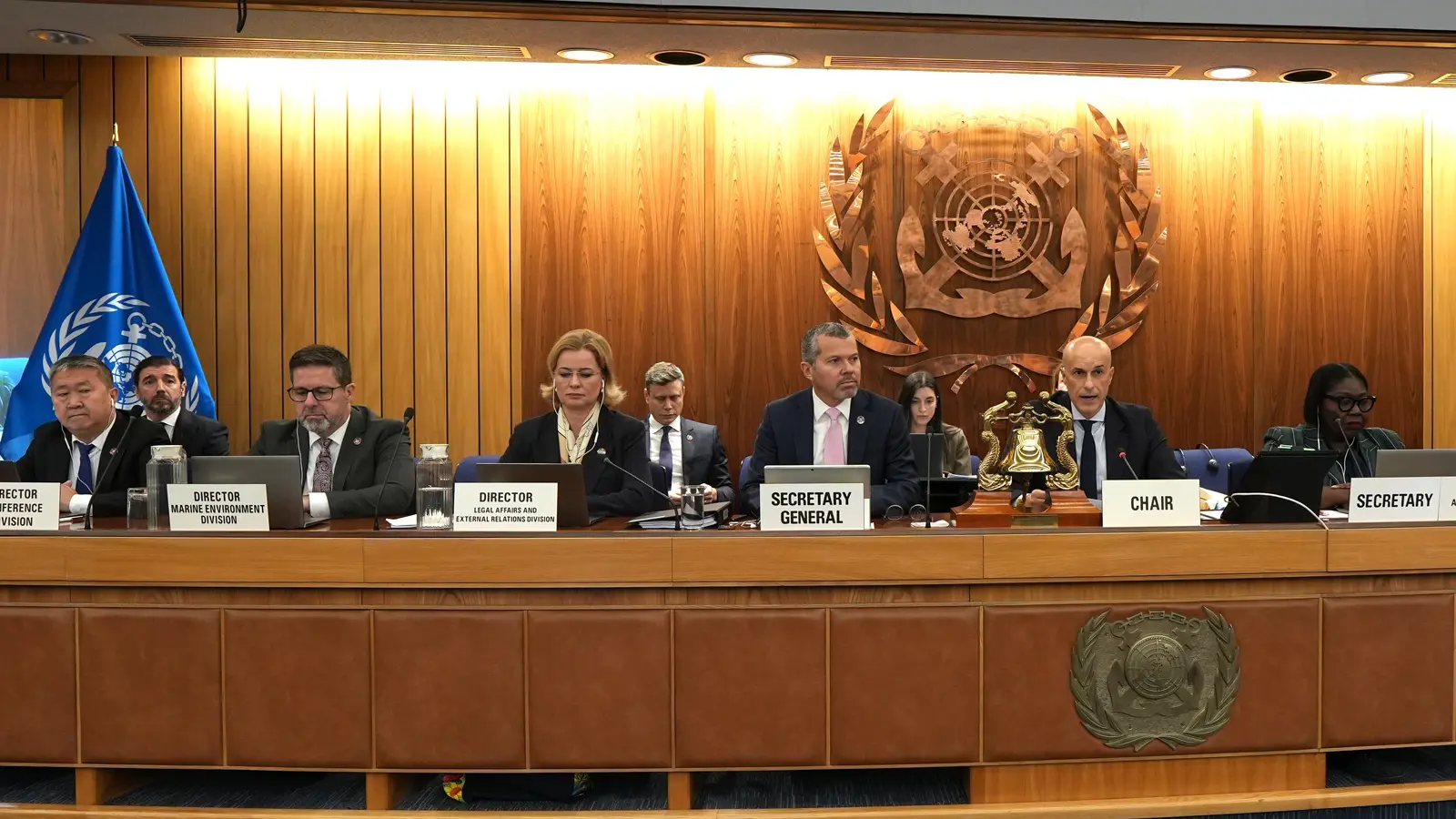
The protection of seafarers, the strengthening of digital platforms and the recognition of women’s leadership were among the main issues addressed during the 138th session of the Council of the International Maritime Organization (IMO), held from 2 to 6 November 2026 in London, United Kingdom.
The meeting, chaired by Víctor Jiménez of Spain, with Amane Fethallah of Morocco serving as Vice-Chair, resulted in decisions concerning the security of international shipping, the modernization of technical cooperation tools and the institutional functioning of the Organization.
Six areas of particular relevance to the international maritime sector stood out among the session’s main outcomes.
- Protecting Seafarers Amid International Conflicts
The Council reaffirmed its commitment to the safety, security, health and well-being of seafarers in the face of growing threats affecting global shipping.
In particular, it reiterated that major maritime routes must remain open, safe and secure, emphasizing the need to protect crews regardless of their nationality or the geopolitical conflicts affecting the areas in which they perform their duties.
. - Maritime Security and Responses to International Threats
Security challenges in the Red Sea, the Bab el-Mandeb Strait and the Black Sea featured prominently in the discussions.
The Council condemned attacks against merchant vessels, crews and port infrastructure in these regions and expressed concern over the increase in piracy and armed robbery incidents in the western Indian Ocean and the Gulf of Aden.
It also requested the Secretary-General to continue monitoring these threats and keep Member States informed of developments.
. - Digital Modernization and Strengthening Technical Cooperation
One of the significant decisions was the approval of initial funding to advance the upgrade of IMO’s Global Integrated Shipping Information System (GISIS) and develop an online learning platform.
Both initiatives aim to strengthen the Organization’s digital tools and expand access to information and specialized training.
In his opening remarks, the Secretary-General highlighted the importance of these projects for the delivery of IMO’s technical cooperation activities.
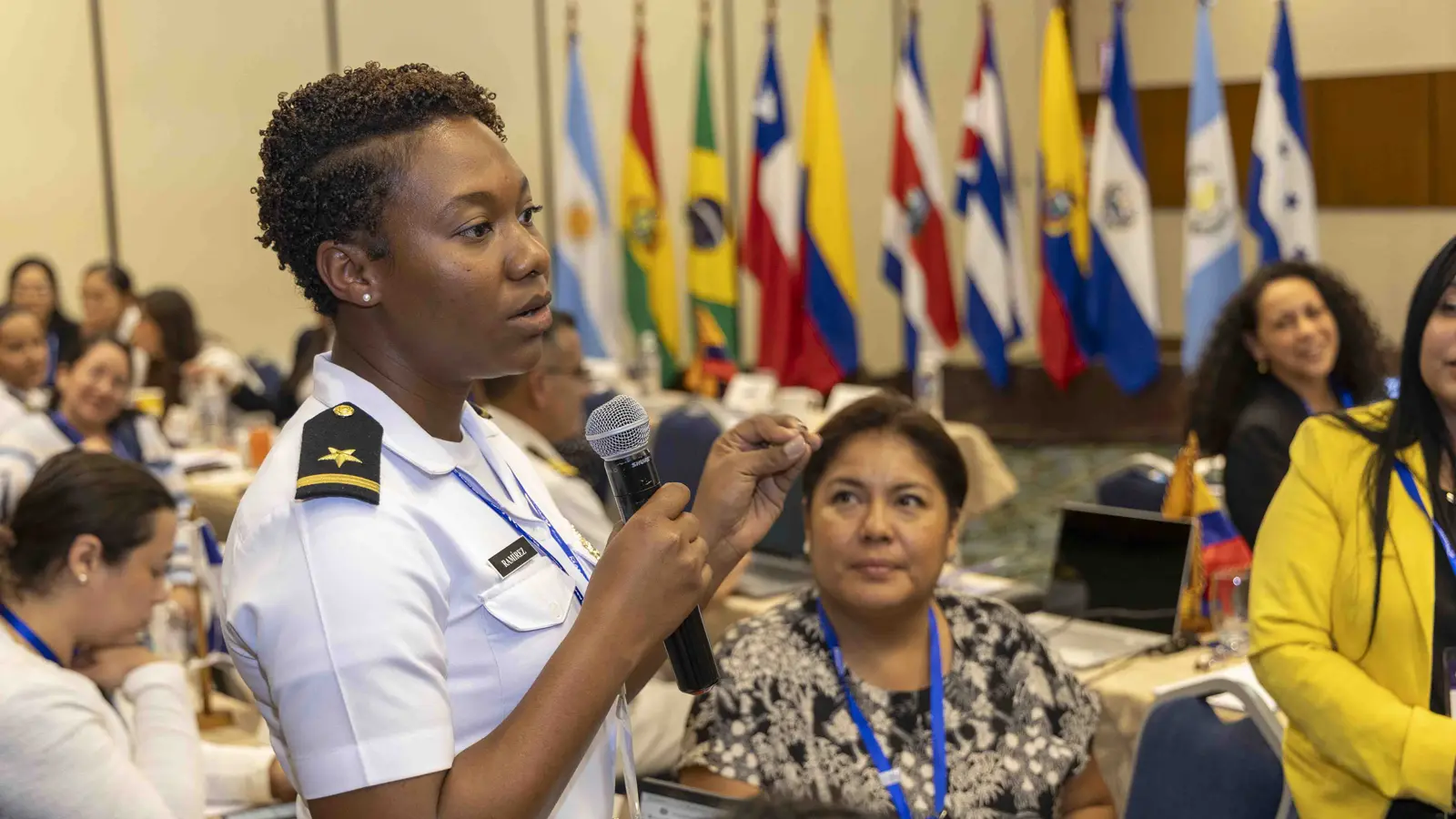
. - International Recognition of Women’s Leadership in the Maritime Sector
The Council decided to confer the IMO Gender Equality Award 2027 on Yu Jiajia of China, in recognition of her personal achievements in overcoming barriers that hinder women’s participation in the maritime sector.
The award will be presented on 18 May 2027, during the International Day for Women in Maritime.
The Council also endorsed the recommendation to present Gemma Griffin of Denmark with a letter of recognition.
These distinctions form part of the Organization’s efforts to recognize women’s contributions and promote greater opportunities for participation in the international maritime industry.
. - Continuity of IMO’s Leadership
The Council agreed to recommend the renewal of Arsenio Domínguez’s appointment as IMO Secretary-General for a further four-year term, which would conclude on 31 December 2031.
The recommendation will be submitted for consideration at the 35th regular session of the IMO Assembly, scheduled for 2027, in accordance with the IMO Convention.
. - Strengthening Institutional Procedures
As part of its decisions concerning the Organization’s governance, the Council approved revised Rules of Procedure, incorporating provisions relating to the conduct of meetings, the management of debates, voting procedures and points of order.
The Council also invited other IMO bodies to consider these amendments with a view to harmonizing their respective procedures.
The outcomes of the 138th session reflect the wide range of challenges facing the international maritime community, from protecting those who work at sea to introducing digital tools, strengthening institutional governance and promoting equal opportunities.
The decisions adopted establish areas for further action and follow-up by IMO and its Member States, in a context that calls for coordinated responses to the current challenges of international shipping.