
RED MAMLa MAKES ITS PRESENCE FELT AT THE 48th REPICA, HELD IN SANTO DOMINGO
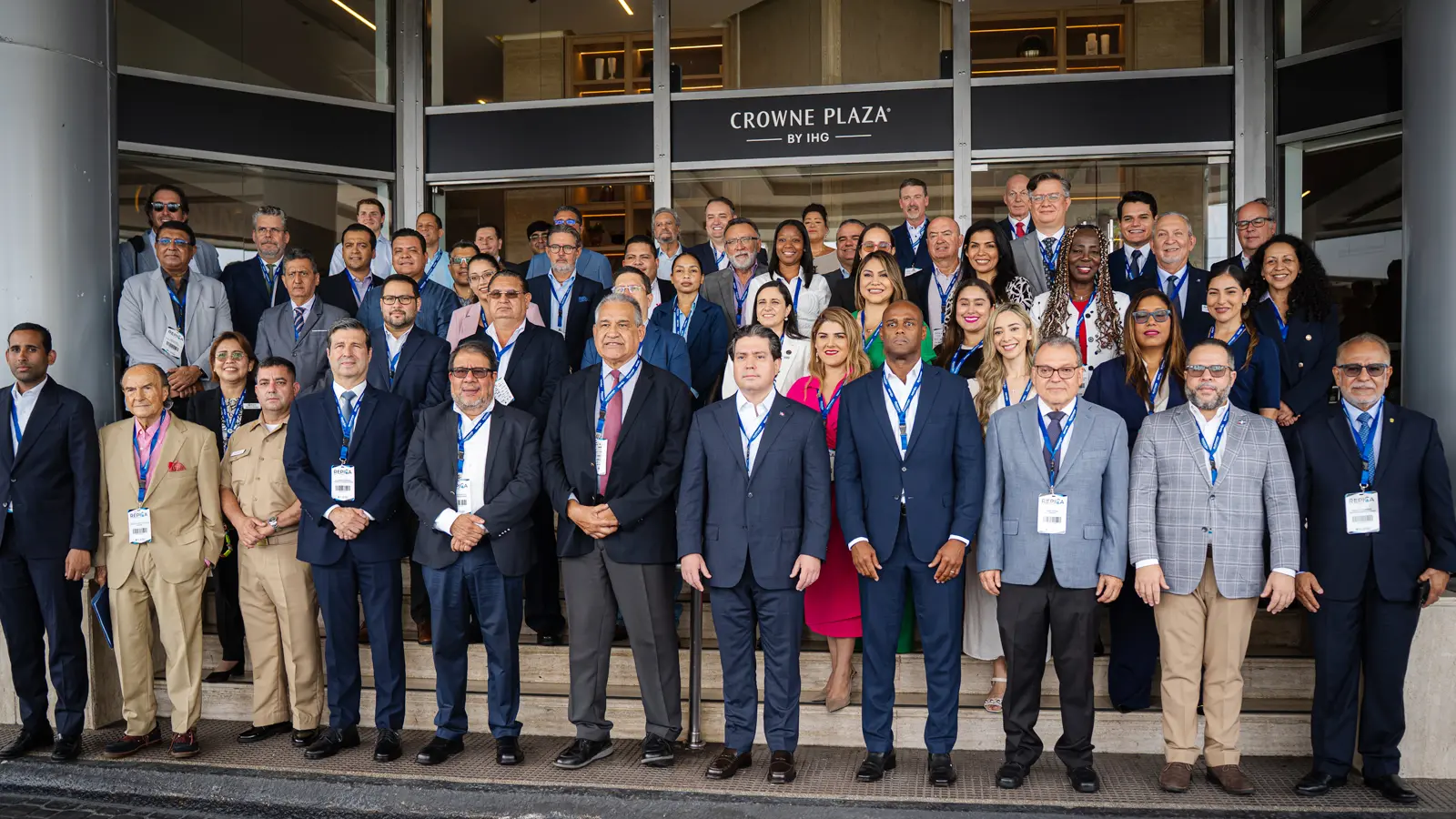
From September 7 to 11, the Crowne Plaza Hotel in Santo Domingo, Dominican Republic, hosted the 48th Meeting of Port Authorities of the Central American Isthmus (REPICA), the annual gathering organized by COCATRAM together with the host country. This year’s edition was held in collaboration with the Dominican Port Authority (APORDOM).
Once again, Red MAMLa was there building networks and bringing the voices of women in Latin America’s maritime and port sectors to one of the region’s most relevant forums.
REPICA brings together the highest-level port authorities, shipping companies, and specialists from Central America and the Caribbean each year with a clear objective: to coordinate policies, share technological innovations, and move toward more competitive and safer ports.
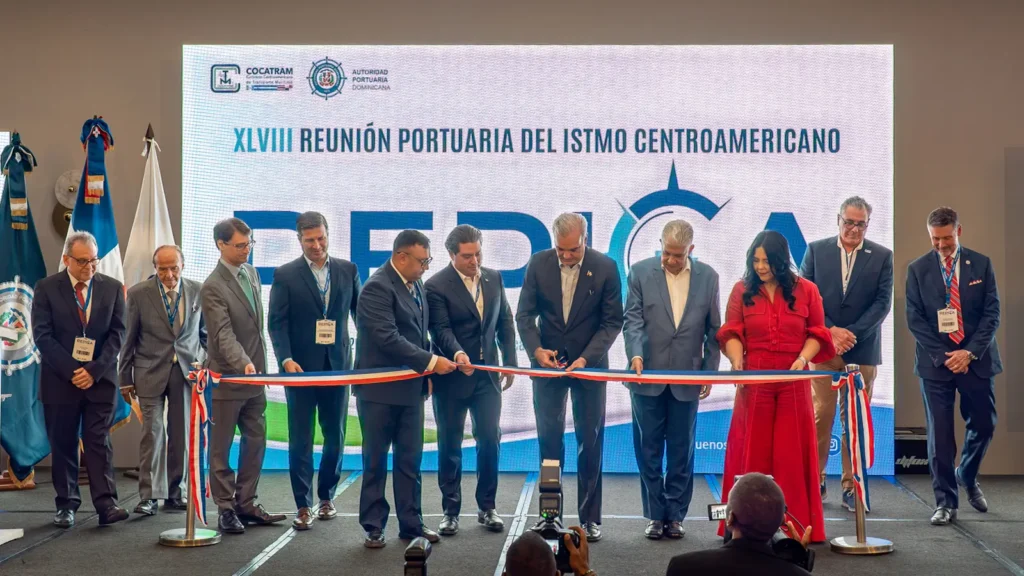
The event combines two complementary spaces: an exhibition area, where companies from the sector showcase their products and services, and a technical panel agenda. This year’s program addressed, among other topics, port innovation, the cruise industry, smart ports, security, environmental management, and the supply chain. These topics were presented by leading companies and organizations such as Taylor International, HIT Puerto Río Haina, DP World Dominican Republic, Panama’s Ministry of Economy and Finance, the Embassy of the Kingdom of the Netherlands, Solar Earth, Norwegian Cruise Line, OPC, Infoport, Unión Portuaria del Pacífico, CIP-OAS, Shoreline Hudson, among others.
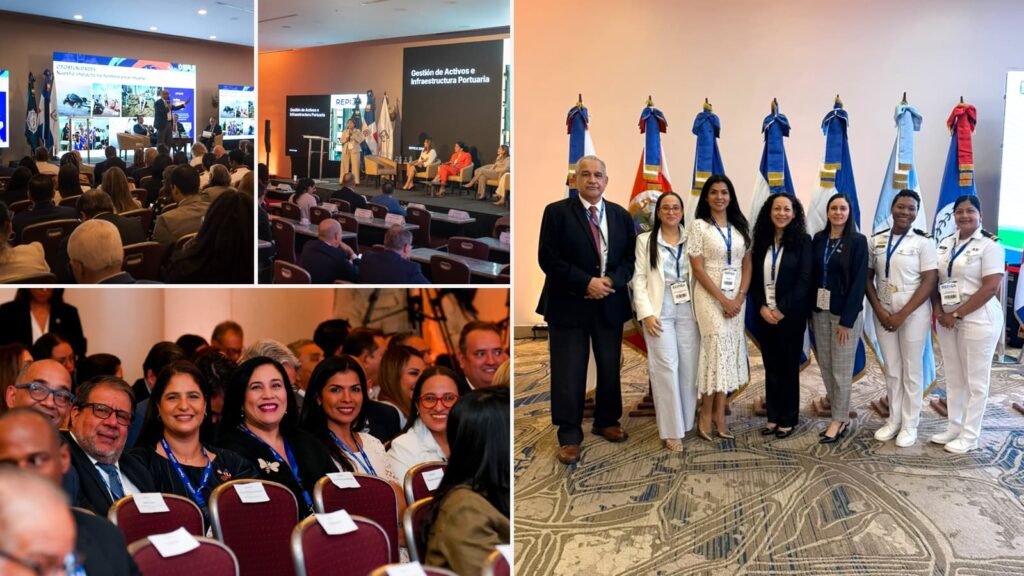
Red MAMLa was represented by its Executive Committee: Magdalena Santos, President; Farash Duarte, General Coordinator; and Dayanis Escorcia, Director of the Communications Committee. They were joined by Red MAMLa’s delegation from the Dominican Republic, including Ana Scarlen Maldonado, Permanent Representative, as well as Honorary Members from the Dominican Maritime Authority and Honorary Members representing collaborating companies and strategic partners of the network.
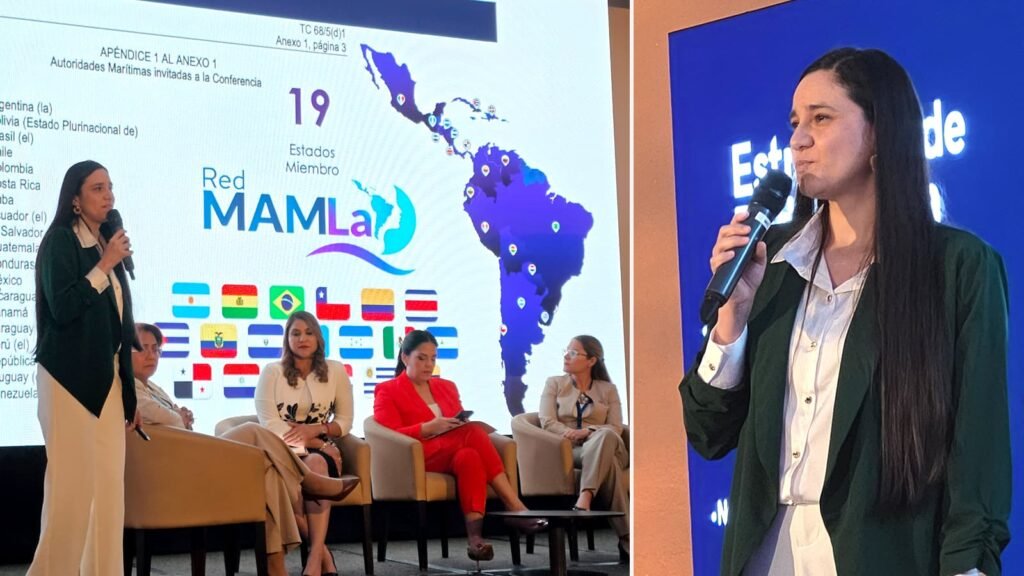
The highlight of Red MAMLa’s participation came on Thursday, September 10, during the panel “Women Who Move Ports, Building Development,” where Magdalena Santos, President of Red MAMLa and an attorney with the General Directorate of the Merchant Marine of Honduras, delivered the presentation “Tides of Change: The Role of Red MAMLa in Regional Port Development.” The session provided an opportunity to put into context the work the network has been developing in recent years and its role within the Latin American port ecosystem.
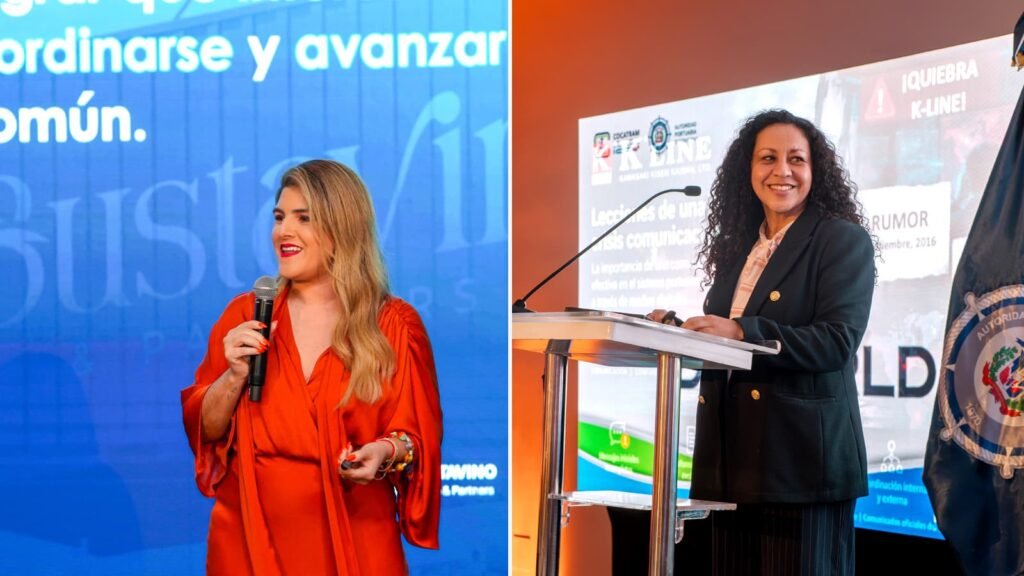
The program also featured contributions from two of the network’s Honorary Members. On Wednesday, September 9, strategic communications expert Lissette Moreno addressed, together with COCATRAM, the topic “Digital Communication: Strategic Infrastructure for Port Management,” as part of the panel on effective communication within the regional port system. That same day, Elvia Bustavino, CEO of Bustavino & Partners, presented “Governance and Legal Certainty: An Instrument to Guarantee Operational Efficiency, Sustainability, and the Protection of Port Investments,” offering a legal perspective on the challenges facing the industry.
Being present at a forum such as REPICA is significant. Above all, it demonstrates the place Red MAMLa has been gaining within the Latin American port sector, while also providing a concrete opportunity for networking and expanding its reach by strengthening ties with other organizations and companies across the maritime, port, and logistics sectors.
REPICA 2026 concluded with the signing of a cooperation agreement between Guatemala’s National Port Commission and the Specialized Port Security Corps (CESEP) of the Dominican Republic, as well as the announcement that Belize will host the next edition. Ultimately, it was an intense week of knowledge-sharing and technical exchange that also left something equally valuable: stronger ties among the people and organizations working every day to build the maritime industry.
For Red MAMLa, the takeaway is clear: remain present, continue building bridges, and continue demonstrating that women have much to contribute, and much to do, in shaping the region’s port future.