
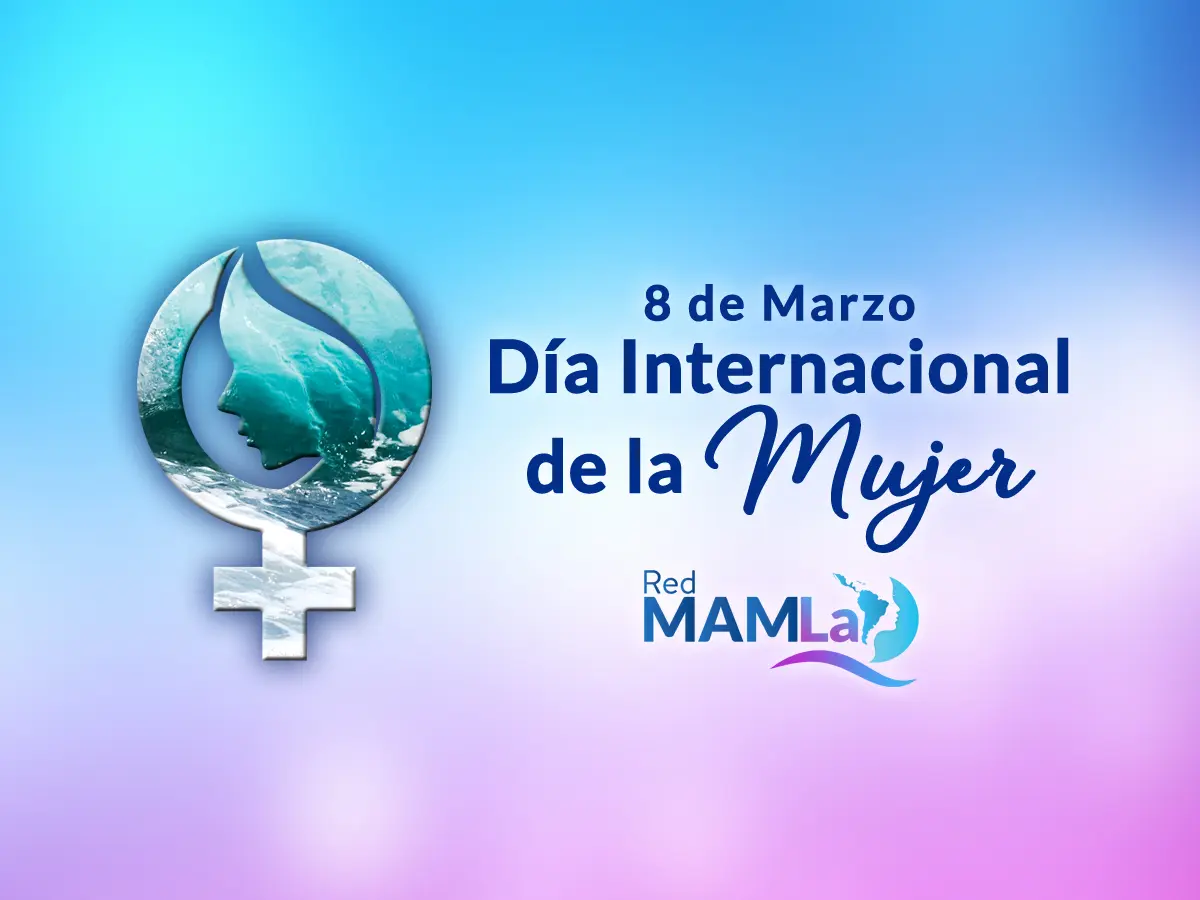
MARCH 8 – INTERNATIONAL WOMEN’S DAY
International Women’s Day, known as #8M, is a deeply significant date that calls for reflection, remembrance, and action. More than a celebration, it is a day to recognize the historic struggle of women for their rights, gender equality, and full participation in society. Officially recognized by the United Nations since 1977, this commemoration places at its core the demands for social justice, equity, and an end to discrimination and violence against women and girls.
Its origins date back to the labor and feminist movements of the early 20th century in Europe and the United States. In 1908 and 1909, thousands of female textile workers in New York took to the streets to demand better working conditions, shorter hours, and the right to vote. This momentum led, in 1910, to activist Clara Zetkin proposing the establishment of an international day to highlight these demands at the International Socialist Women’s Conference in Copenhagen.
In 1911, International Women’s Day was commemorated for the first time in several European countries. That same year, the tragic Triangle Shirtwaist Factory fire in New York—where more than 100 women workers lost their lives—exposed the harsh and unsafe working conditions women endured. A few years later, in 1917, a strike led by Russian women under the slogan “bread and peace” helped establish March 8 as an emblematic date.
Today, #8M remains a powerful moment for advocacy. In 2026, the focus is on taking concrete action to close legal and social gaps, recognizing that full legal equality has still not been achieved worldwide. The day aims to drive meaningful change that guarantees rights, opportunities, and justice for all women.
International Women’s Day not only honors the past, but also challenges the present and looks ahead to a more just and equal future.
Learn more: https://www.unwomen.org/en/articles/timeline/never-backing-down-women-march-forward-for-equal-rights