

Parent Organization
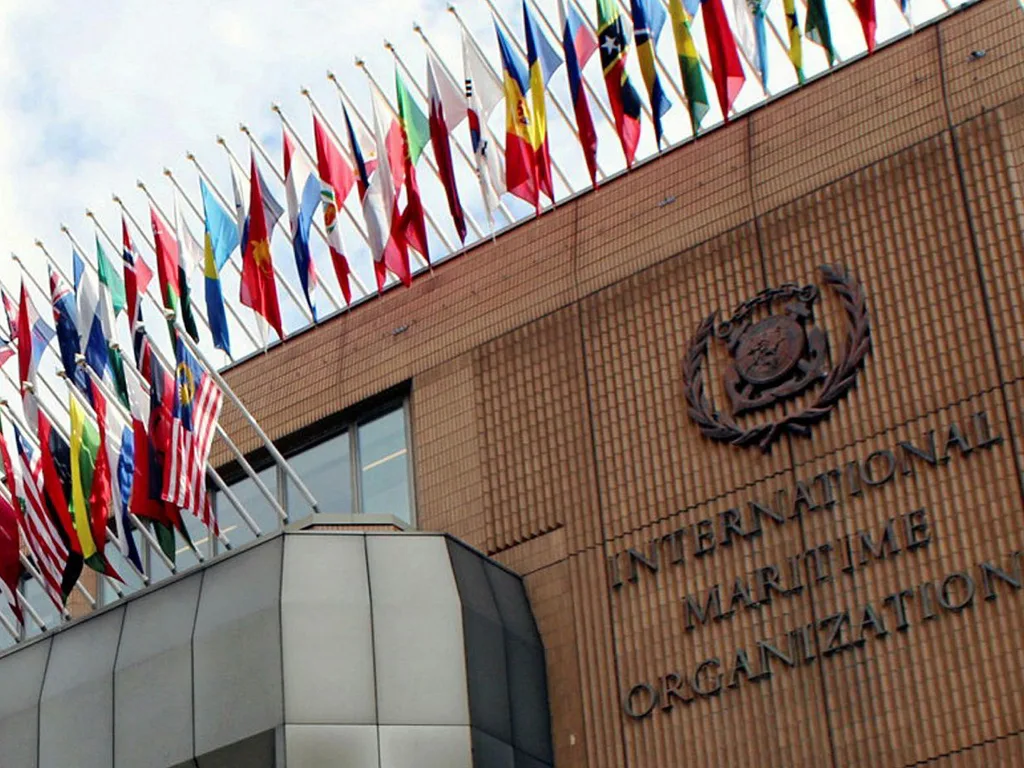
Parent Organization
The International Maritime Organization (IMO) is a United Nations agency whose mission is to promote cooperation between states and the shipping industry to improve maritime safety, facilitate international trade, and prevent marine pollution. Since its establishment, the IMO has adopted numerous international conventions that regulate shipping, establish global standards, and strengthen the foundation of a safe, efficient, and sustainable maritime system.
The IMO promotes a global commitment to the inclusion and empowerment of women in the maritime sector, among its many areas of action. This commitment is reflected in the IMO’s “Women in Maritime Program,” which ensures women have access to training, professional development, and leadership opportunities in maritime and port sectors, both at sea and on land.
The IMO’s gender program has been active since 1988, when it was launched to facilitate women’s entry into maritime training institutions that had historically excluded them. Since then, the program has been guided by three principles: Training, Visibility, and Recognition. Through these pillars, the IMO has increased the number of trained women, raised the profile of their work, and promoted their recognition as essential professionals for development and sustainability.
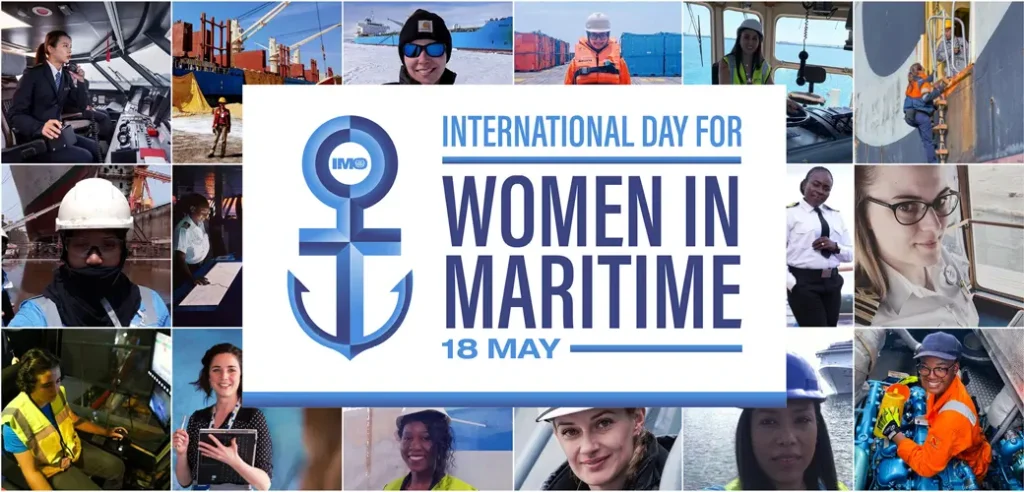
In an effort to promote equality, the IMO approved the establishment of International Maritime Women’s Day in 2021. It is celebrated every May 18. This commemoration highlights the contributions of women in the industry, promotes their participation, breaks down stereotypes, and creates a space for global recognition that underscores the need for a more diverse and inclusive maritime sector.
On this symbolic date and thereafter, the IMO invites its member states, maritime organizations, port authorities, educational institutions, and professional communities to organize activities that raise awareness, provide training, and promote dialogue. These initiatives highlight the growing presence of women in various sectors, including as sailors, officers, engineers, regulators, port specialists, and high-level leaders.
Through its Technical Cooperation and Implementation Division (TCID), the IMO provides comprehensive support to Member States to strengthen their capacities, comply with international regulatory instruments, and ensure safe and efficient maritime operations. Through the Integrated Technical Cooperation Program (ITCP), this division promotes training projects, advisory missions, regional workshops, and specialized activities that directly contribute to institutional and human development in the maritime sector.
This support has been particularly relevant in the Latin American and Caribbean region, where various technical training courses have been conducted and support and guidance have been provided to implement IMO instruments in the regulatory frameworks of each Member State, thereby strengthening maritime and port authorities.
From this perspective, the Technical Cooperation and Implementation Division has been key not only in the technical improvement of the sector, but also in raising awareness and strengthening the role of Latin American women in the maritime and port sector. Its cross-cutting approach to gender has helped to open up spaces, promote leadership, and ensure that technical advances go hand in hand with equality, inclusion, and sustainability.
Through this space in the MAMLa Network, we wanted to recognize the IMO as a parent association and strategic ally, which, through the support of the Gender Program and the Integrated Technical Cooperation Program, has promoted a more just, safe, and inclusive maritime sector for all, for Latin America, and for the world.
ORGANIZACIóN MARíTIMA INTERNACIONAL
WOMAN IN MARITIME
